

Taiwan in Writing
Those of you who have known me for some time will know that I’ve travelled a lot. Then, in 2023, renowned American techno-thriller authors James Rosone and Miranda Watson arranged a research trip to, you guessed it, Taiwan. They sent out an invite in their reader group, and I was one of two who joined them for the adventure.
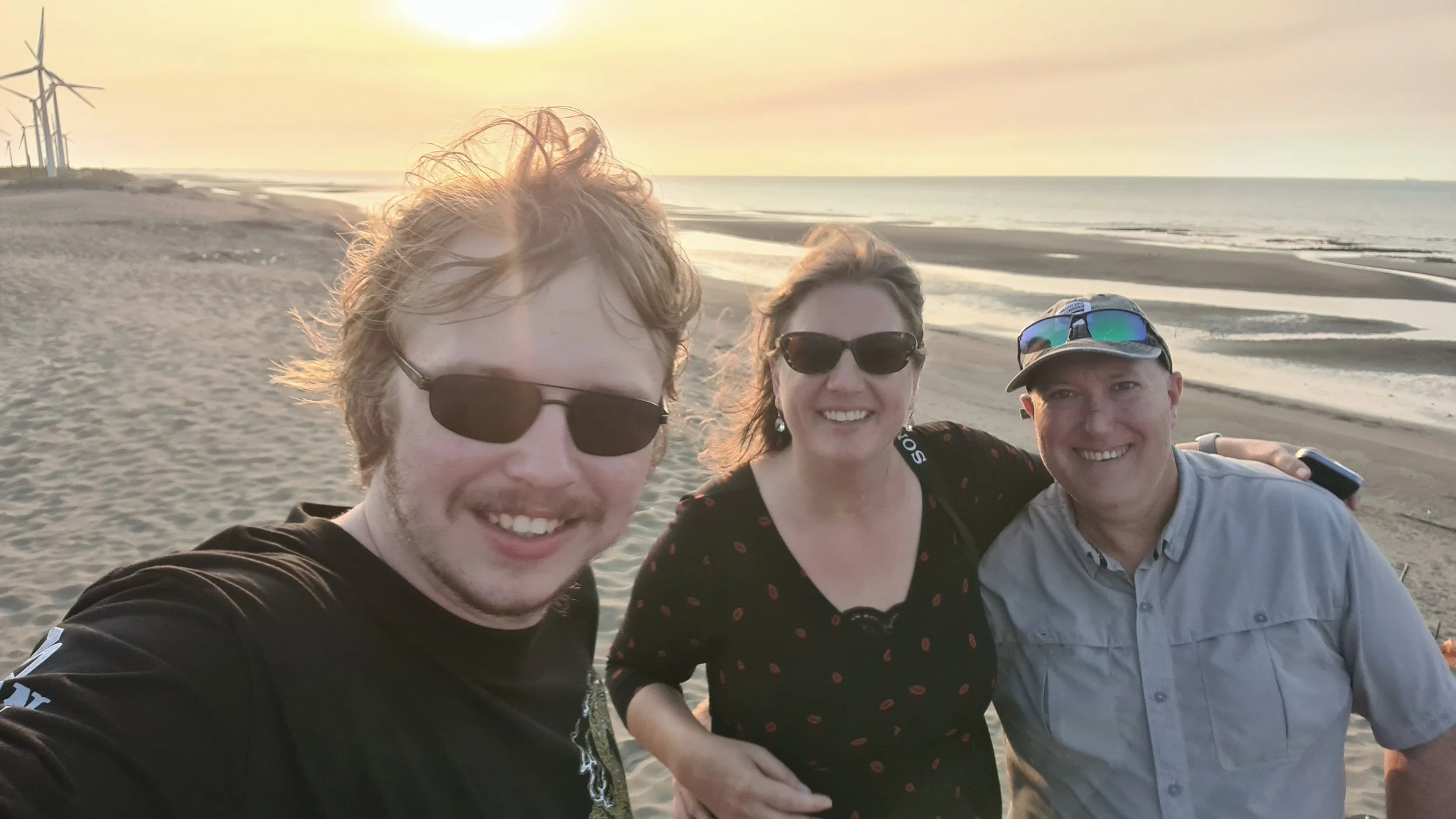
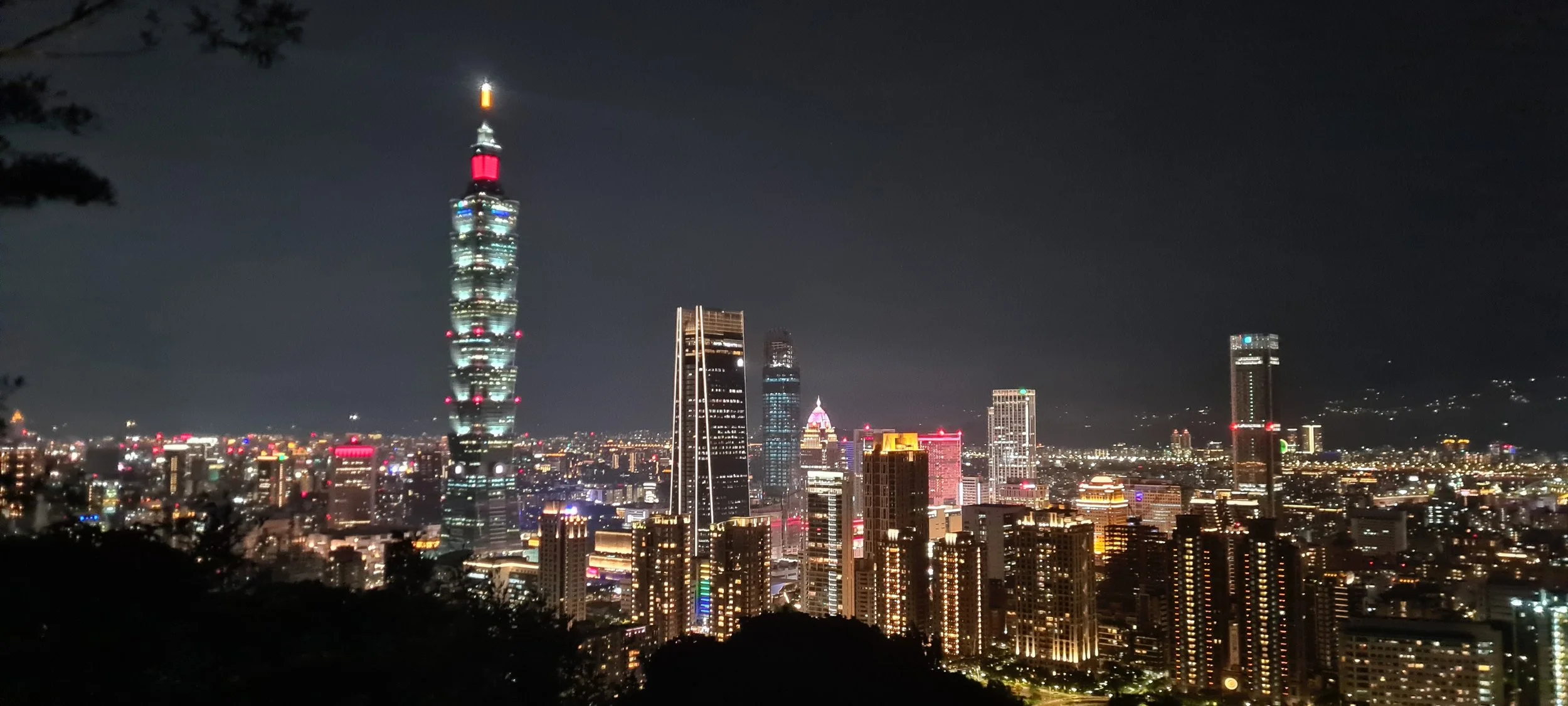
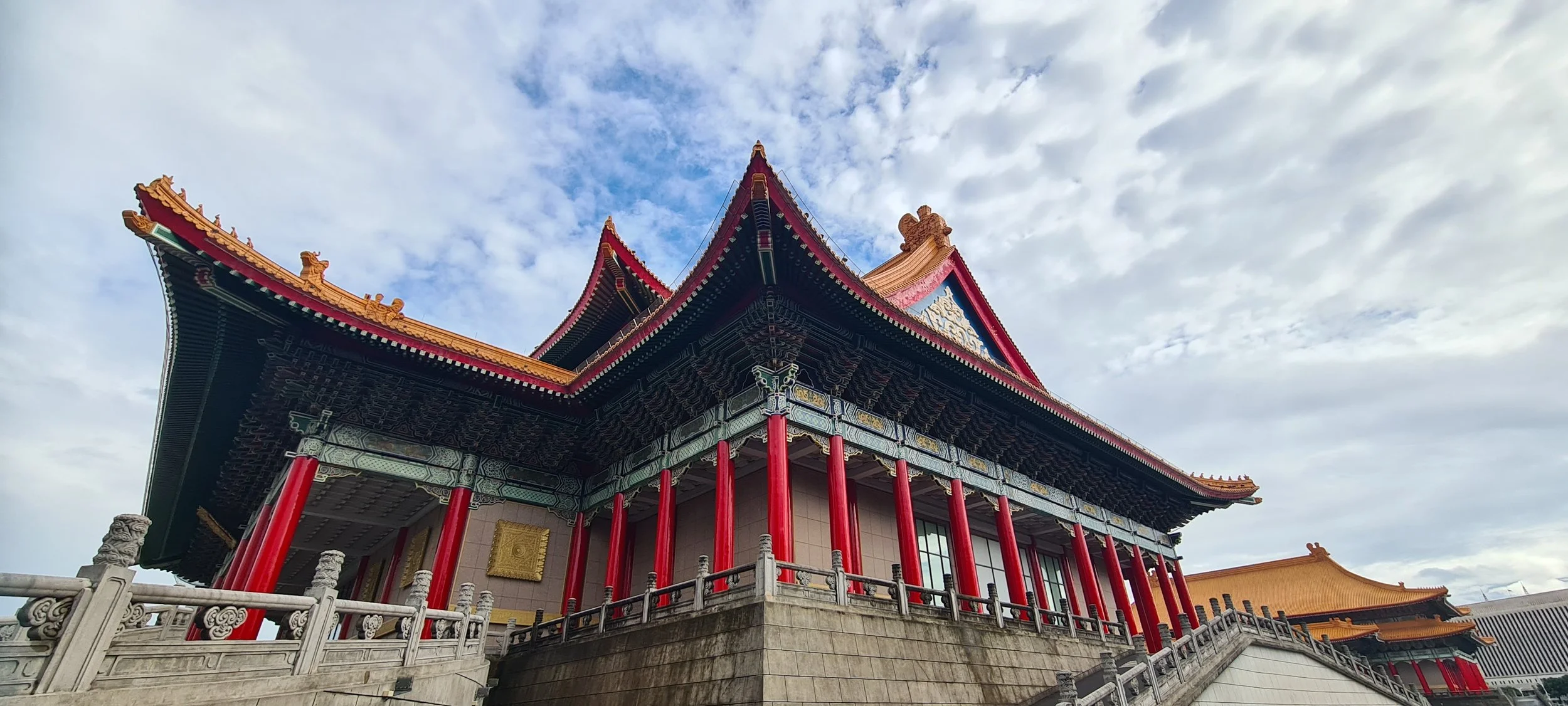
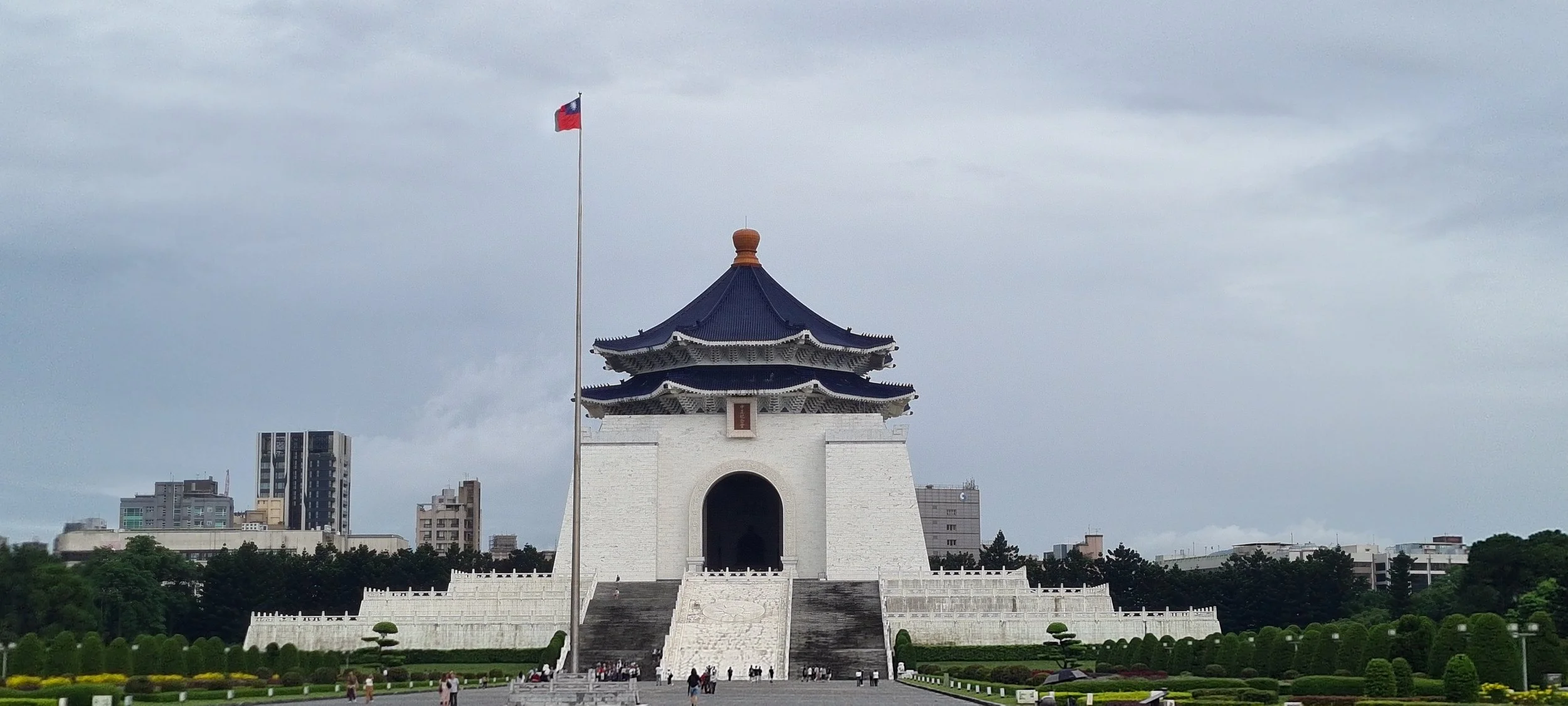
While we were there, I had learned so much of the island nation I had not yet known much about. So I left with a mountain of knowledge that I didn’t entirely know what to do with. I did a whole workshop for the Townsville Writers and Publishers Centre shortly after. More recently, I thought of an idea… blogging! So, here’s how Taiwan could fit into your writing and settings…
Taiwan (Republic of China) offers a rich and versatile backdrop for science fiction and fantasy due to its unique blend of history, geopolitics, culture, and environment. Its combination of high-tech infrastructure, deep-rooted indigenous cultures, and complex political situation makes it an ideal subject for speculative fiction. Here’s why Taiwan could inspire thought-provoking sci-fi and fantasy works…
First of all, a brief description… As of January 2024, the ROC has formal diplomatic relations with 11 of the 193 United Nations member states and with the Holy See, which governs the Vatican City State. In addition to these relations, the ROC also maintains unofficial relations with 59 UN member states, one self-declared state (Somaliland), three territories (Guam, Hong Kong, and Macau), and the European Union via its representative offices and consulates. In 2021, the Government of the Republic of China had the 33rd largest diplomatic network in the world with 110 offices.
No, Taiwan is not PRC real estate. There is no legal or moral justification to not support Taiwan’s survival as a democracy. Taiwan being “part of China” is not a geographical or legal fact. And no, it is not “Chinese Taipei.” Since 1949, the PRC has never exercised control over Taiwan. Legally and practically, the PRC’s government has no jurisdiction over Taiwan’s territory, population, or government institutions.
Taiwan’s status as part of China is not a geographical or legal fact but rather a matter of contested claims and complex political realities. Taiwan operates as a self-governing, democratic entity with its own institutions and separate legal system. While the PRC insists on its claim to Taiwan under the "One China" principle, Taiwan continues to function independently, supported by the will of its people and its democratic governance, and its legal status remains unresolved in international law.
1. Geopolitical Tensions and Speculative Conflicts
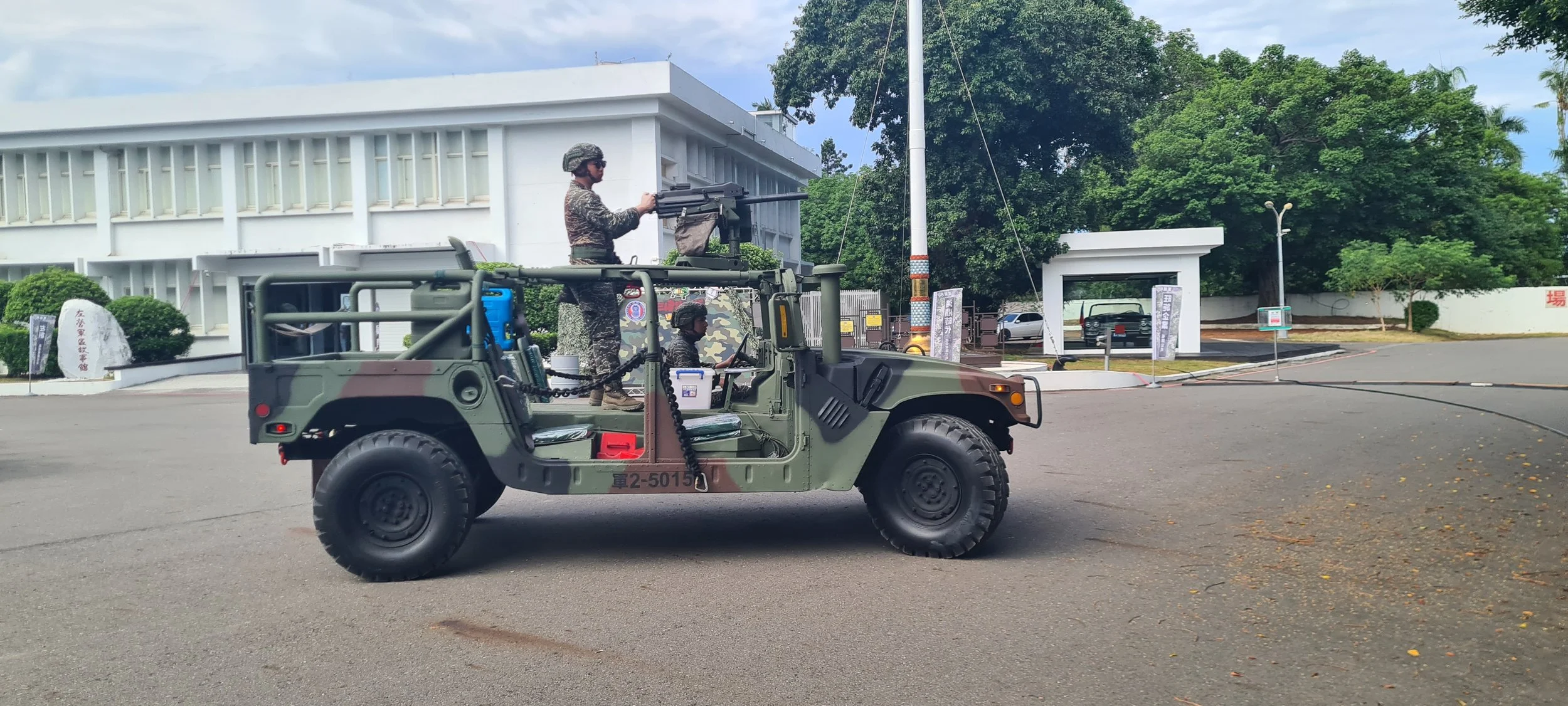
Taiwan’s precarious political status and the constant threat of conflict with China can be fertile ground for sci-fi or fantasy stories cantered around political intrigue, occupation, or even future warfare. Writers can explore themes of independence, resistance, or annexation. Dramatizing Taiwan’s position as a self-governing entity fighting to remain free in a futuristic world.
Alternate futures or speculative conflicts, such as Taiwan resisting a global superpower in a post-apocalyptic world or leading a coalition of nations against an aggressive empire, can make Taiwan the epicenter of far-reaching narratives. The idea of an interstellar Taiwan fighting for sovereignty in a galaxy-spanning government could reflect its current political status but in an exaggerated, high-stakes context.
There was the Chinese Civil War between Chiang Kai-Shek’s nationalists and Mao Zedong’s communist forces.
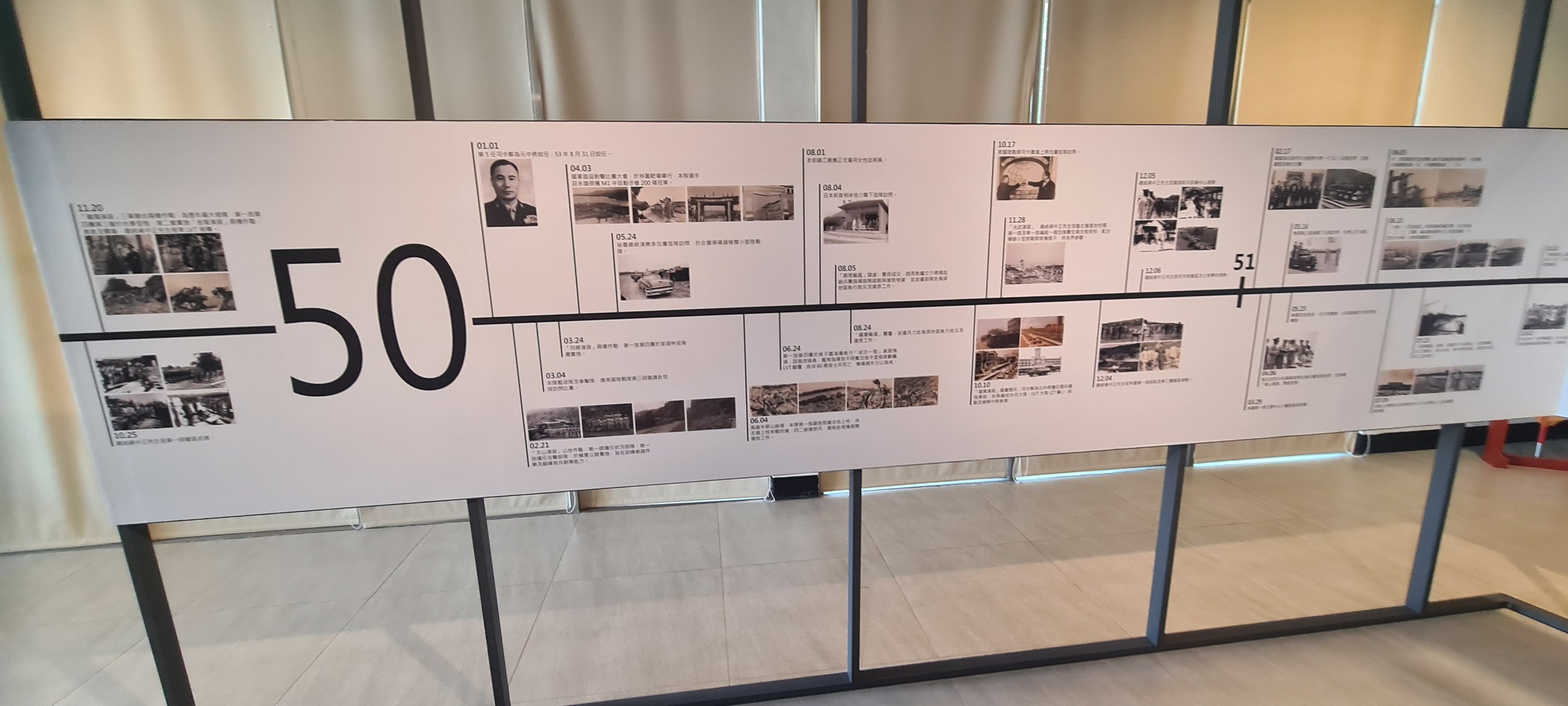
The immediate resumption of the Chinese Civil War after Japan’s surrender in World War II resulted in the loss of the Chinese mainland to Communist forces, who established the People's Republic of China, and the flight of the ROC central government to Taiwan in 1949. The effective jurisdiction of the ROC has since been limited to Taiwan, Penghu, and smaller islands. No armistice or peace treaty has been signed,
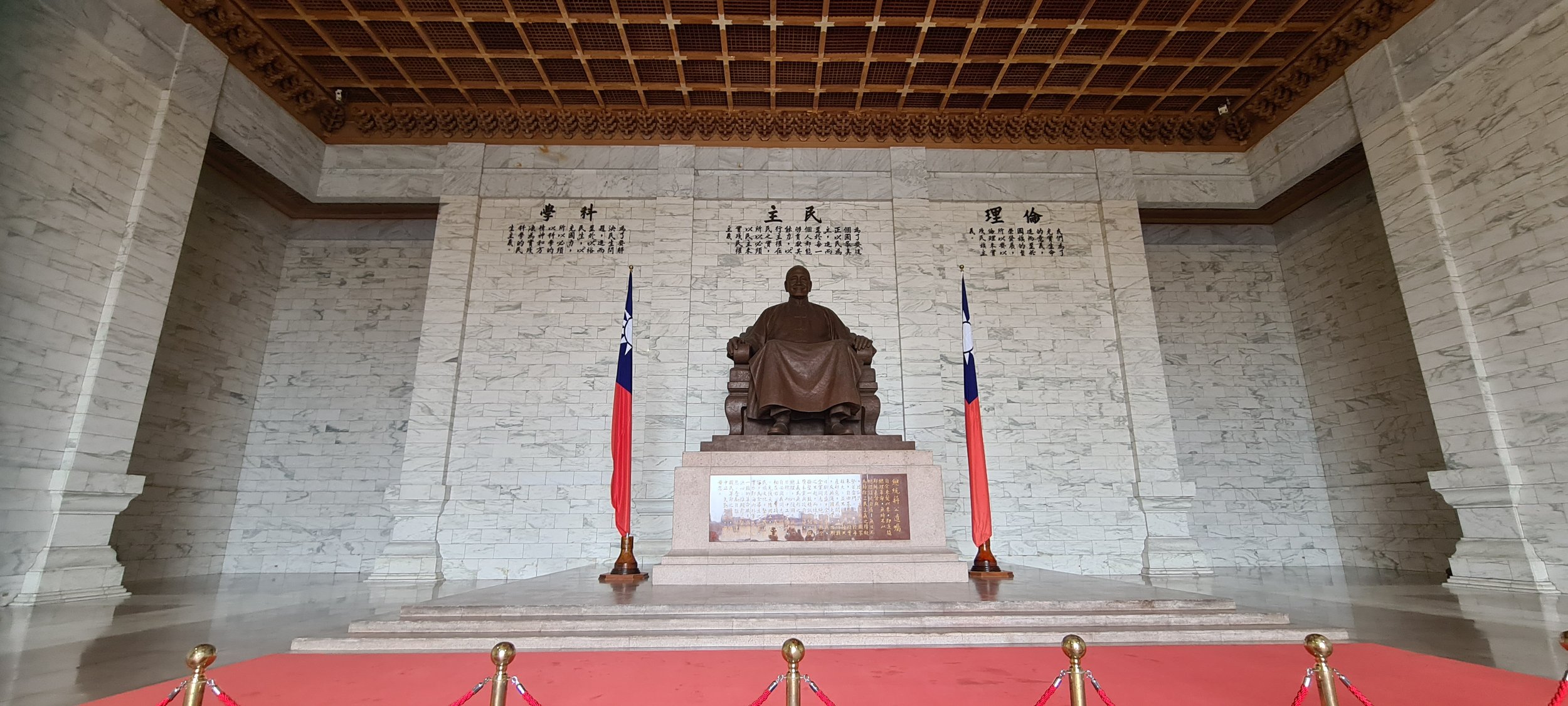
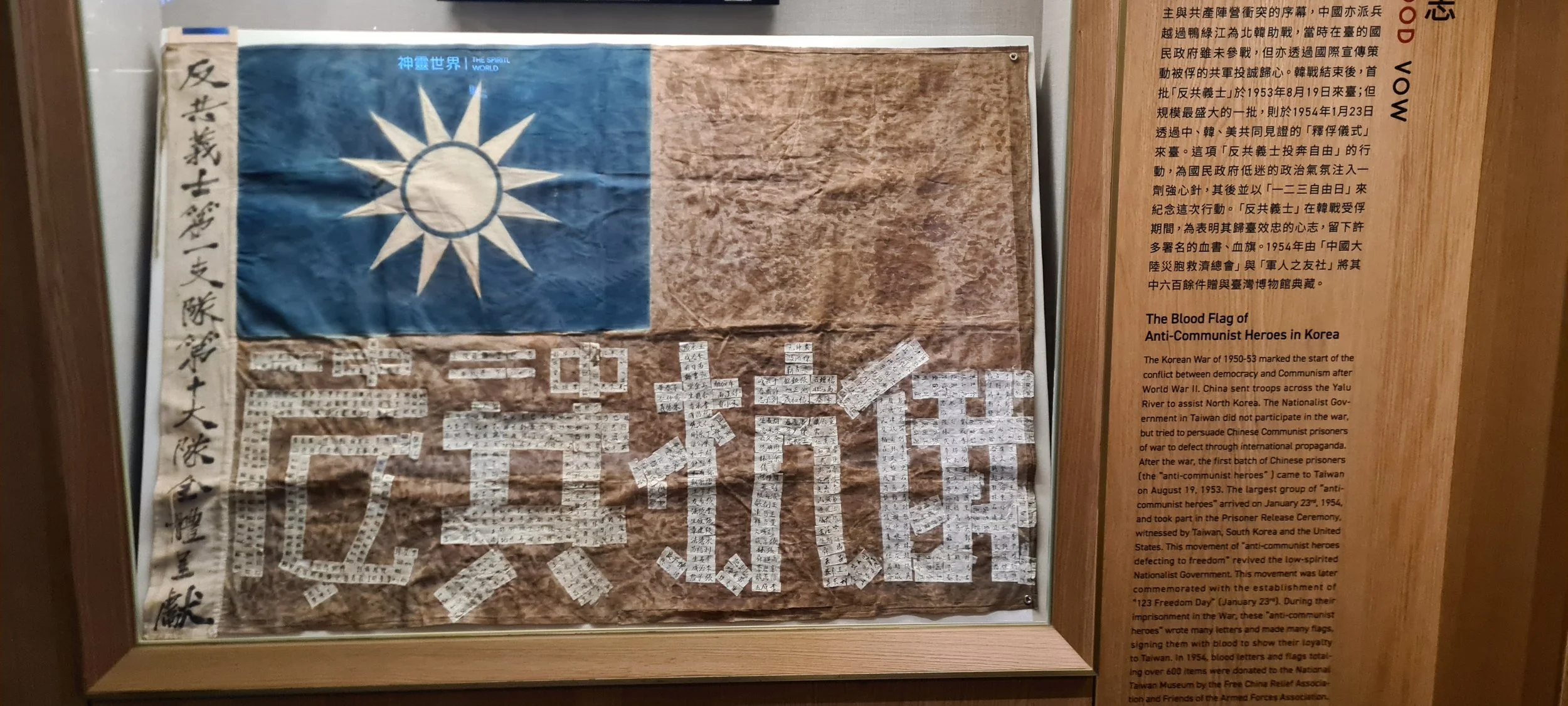
Chiang’s rule was marked by authoritarian rule by the Kuomintang, Martial Law (1949 – 1987) and the White Terror (1948 – 1992). Democracy was only made possible by his son, Ching-Kuo
In the First Taiwan Strait Crisis, from 1954 to 1955, the PRC initiated heavy bombardment on the ROC-held island of Kinmen in September 1954. Shelling was subsequently extended to the Matsu and Tachen islands. In response, the United States and the ROC agreed to the Sino-American Mutual Defense Treaty in December 1954
Then came the Second Taiwan Strait Crisis in 1958. The PRC shelled the islands of Kinmen (Quemoy) and the Matsu Islands along the east coast of mainland China in the Taiwan Strait in an attempt to take control of Taiwan from the Kuomintang, and to probe the extent of the United States' defense of Taiwan's territory. A naval battle also took place around Dongding Island when the ROC Navy repelled an attempted amphibious landing by the PRC Navy. Then U.S. Secretary of State Christian Herter reportedly described the conflict as the "first serious nuclear crisis."
Later on, there was the Third Taiwan Strait Crisis. From 1995–1996, missile tests conducted by the People's Republic of China in the waters surrounding Taiwan, including the Taiwan Strait, from 21 July 1995 to 23 March 1996.
And still, it goes on…
2. High-Tech Infrastructure and Cyberpunk Potential
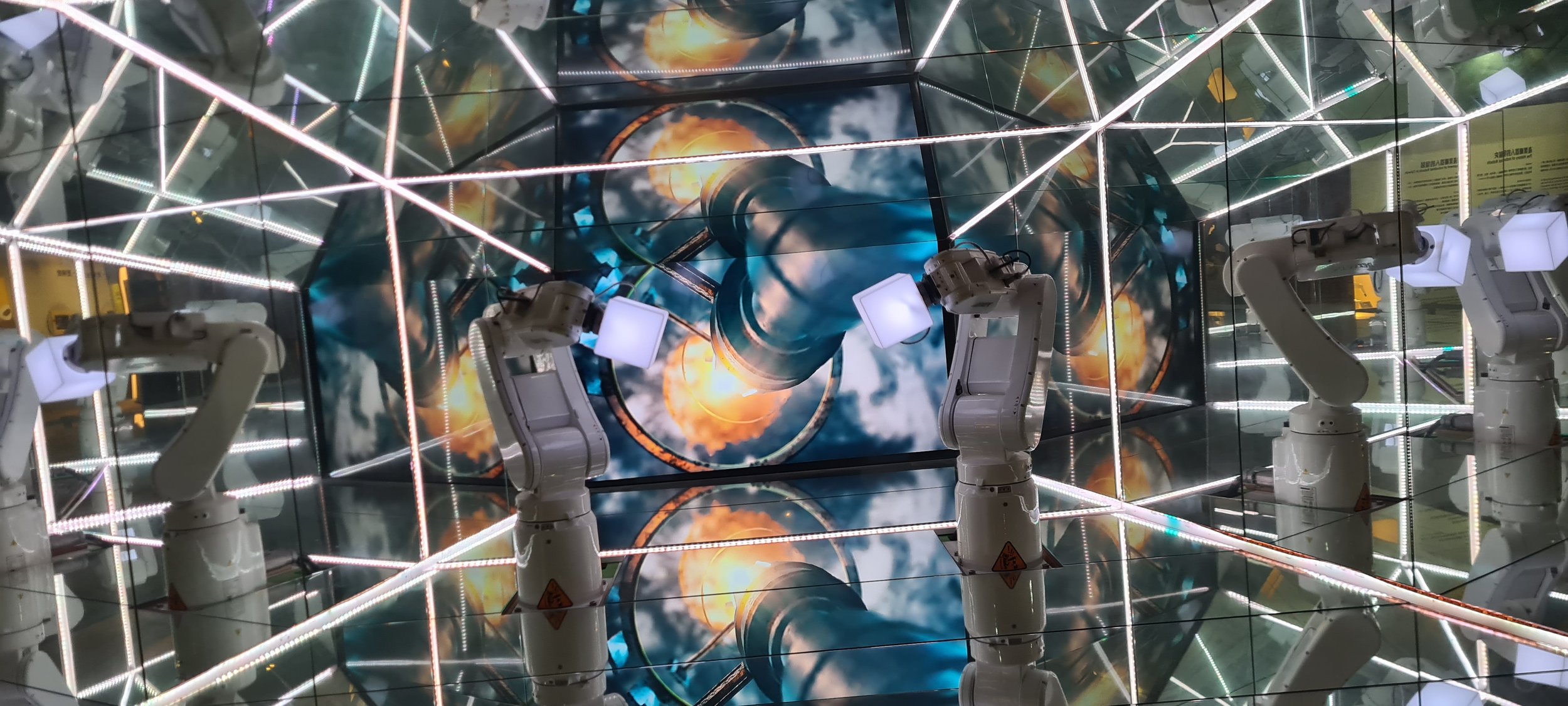
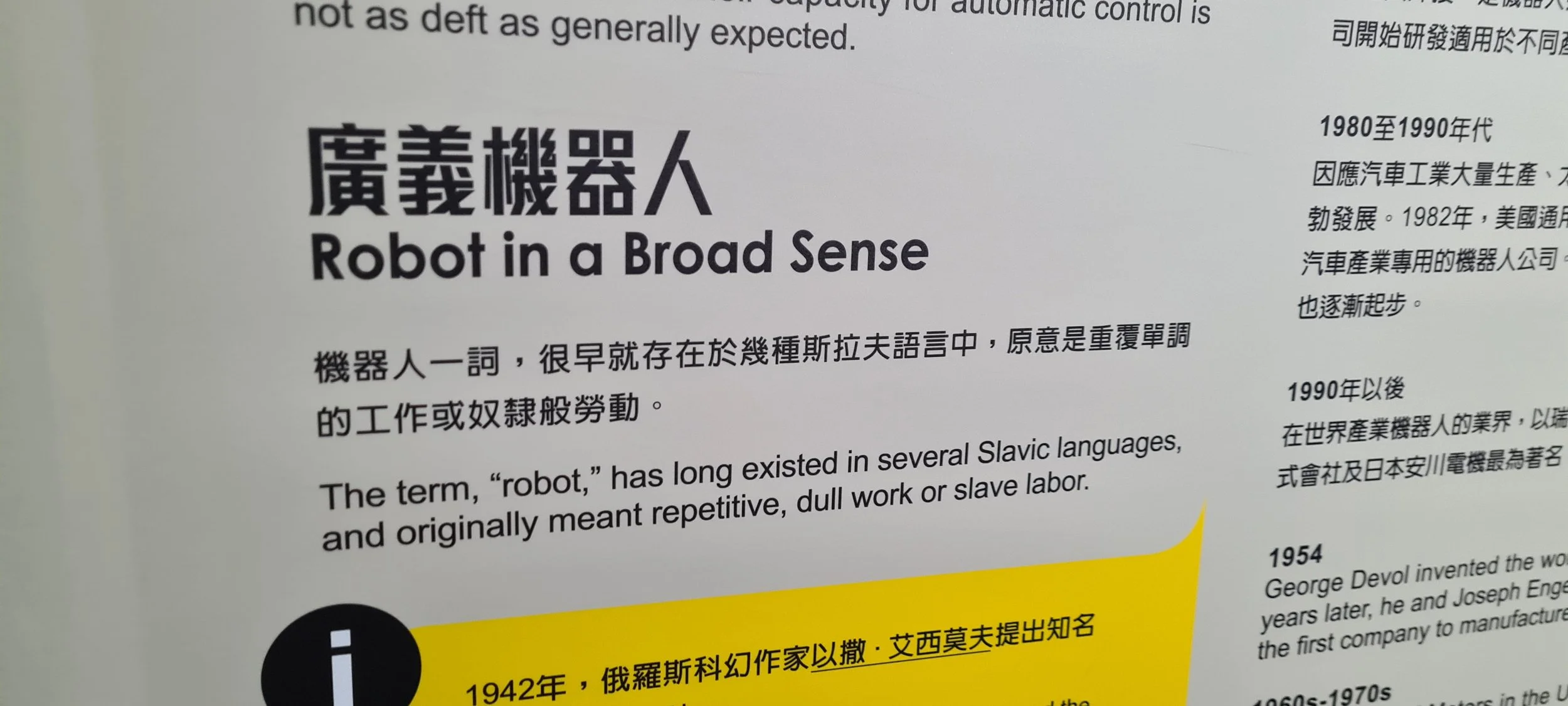
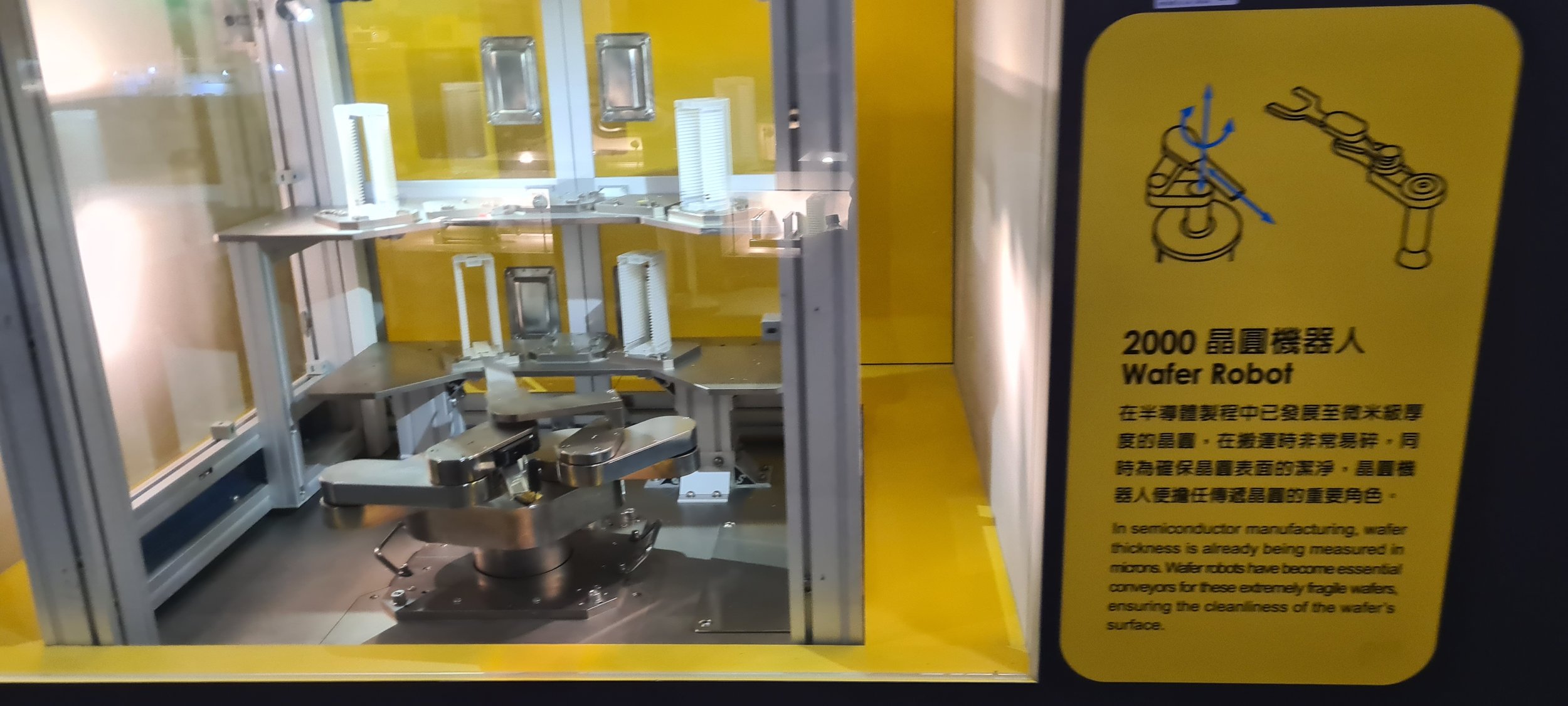
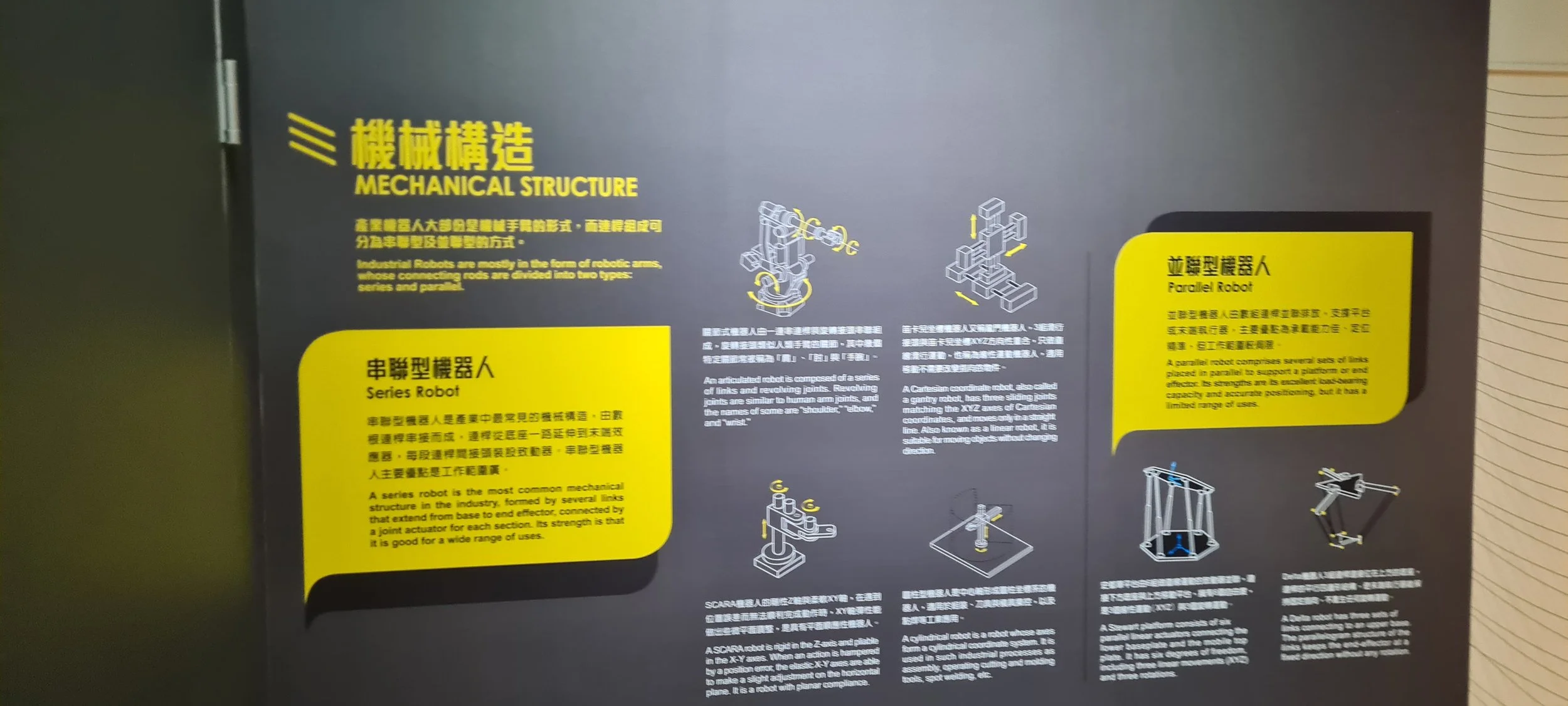
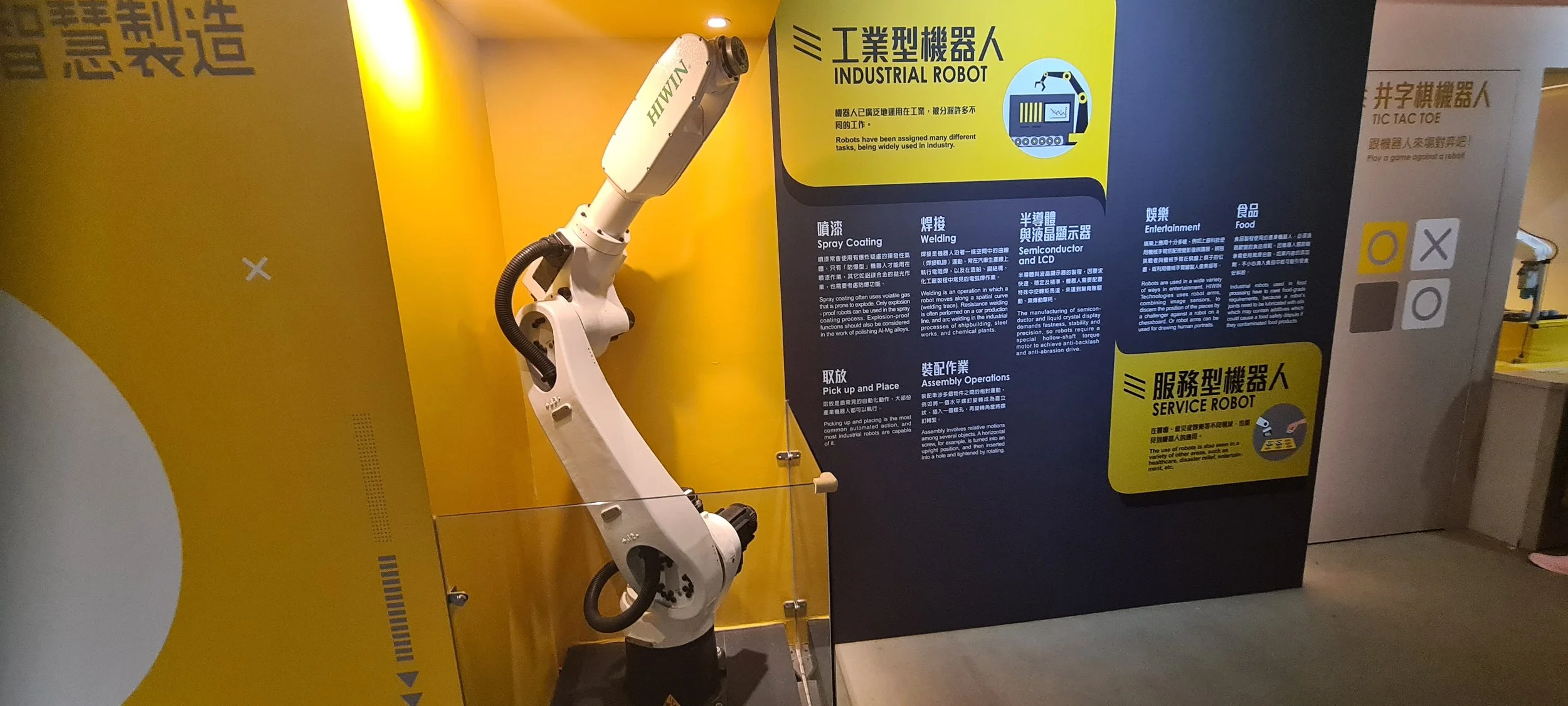
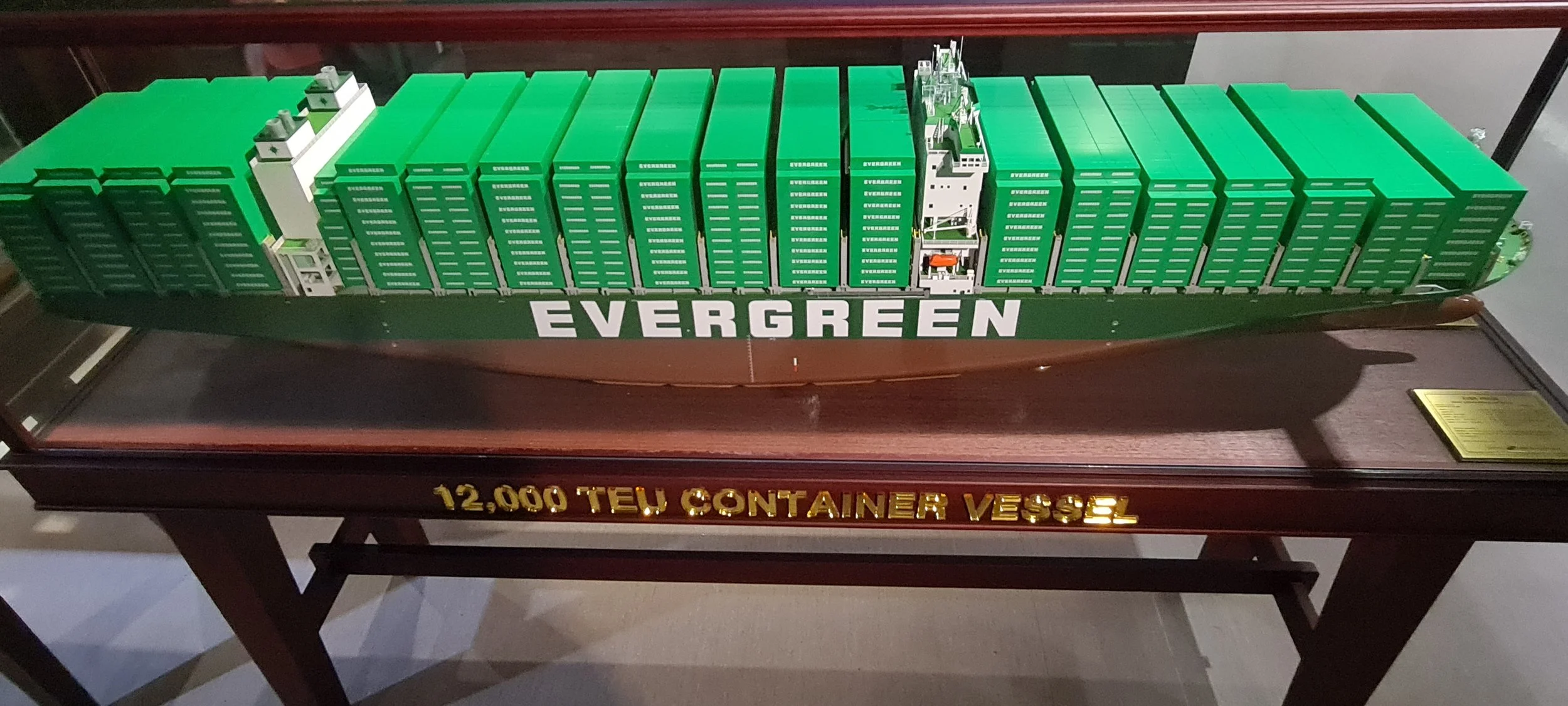
Taiwan is a leader in technology and semiconductor production, and its highly urbanized regions—like Taipei, New Taipei City, and Kaohsiung—already have the feel of futuristic megacities. This provides a ready-made environment for cyberpunk or tech-noir stories, where Taiwan becomes a hub for advanced AI, robotics, and cyber warfare.
Writers could explore scenarios where Taiwan’s technological prowess puts it at the center of a global or galactic economy, with themes of corporate dominance, government surveillance, or the merging of humanity with machines. Perhaps Taiwan becomes a place where cybernetically enhanced humans or intelligent synths (robots) live alongside humans in a high-tech dystopia, grappling with issues of identity, rebellion, or freedom.
3. Indigenous Mythology and Fantasy World-Building
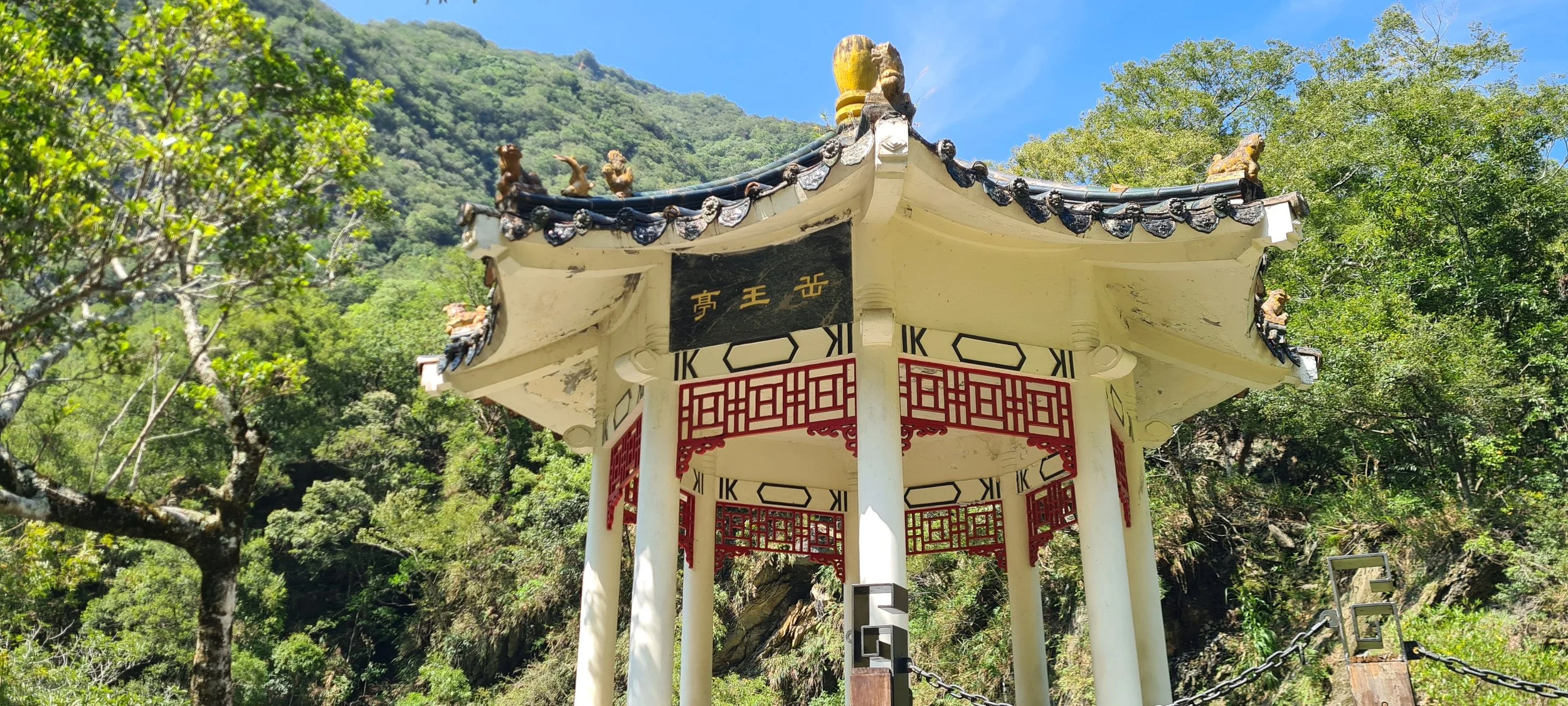
Taiwan’s indigenous peoples, with their distinct languages, cultures, and mythologies, offer an incredible source of inspiration for fantasy. The island is home to various tribes with deep connections to nature and ancestral stories involving spirits, deities, and supernatural creatures.
These traditions can be woven into fantasy worlds where magic, nature spirits, and ancient prophecies take center stage. Writers can create parallel universes or magical realms drawing from Taiwan’s folklore, where indigenous peoples are guardians of powerful artifacts or secret knowledge, defending the island from otherworldly threats or invading armies.
Alternatively, Taiwan’s aboriginal cultures could inspire new species or civilizations in sci-fi, existing on distant planets or hidden realms, drawing parallels between their historical struggles and larger themes of colonialism, resistance, and survival.
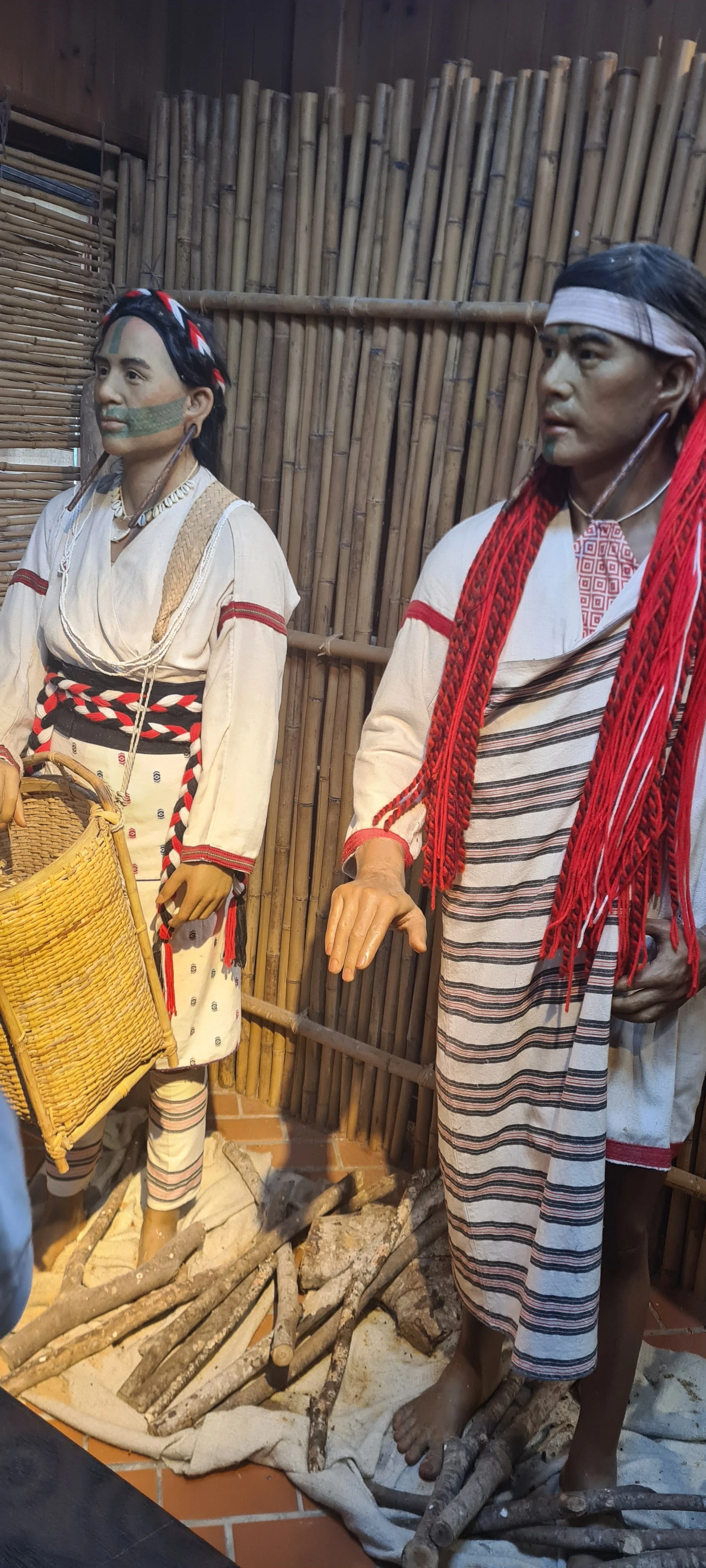
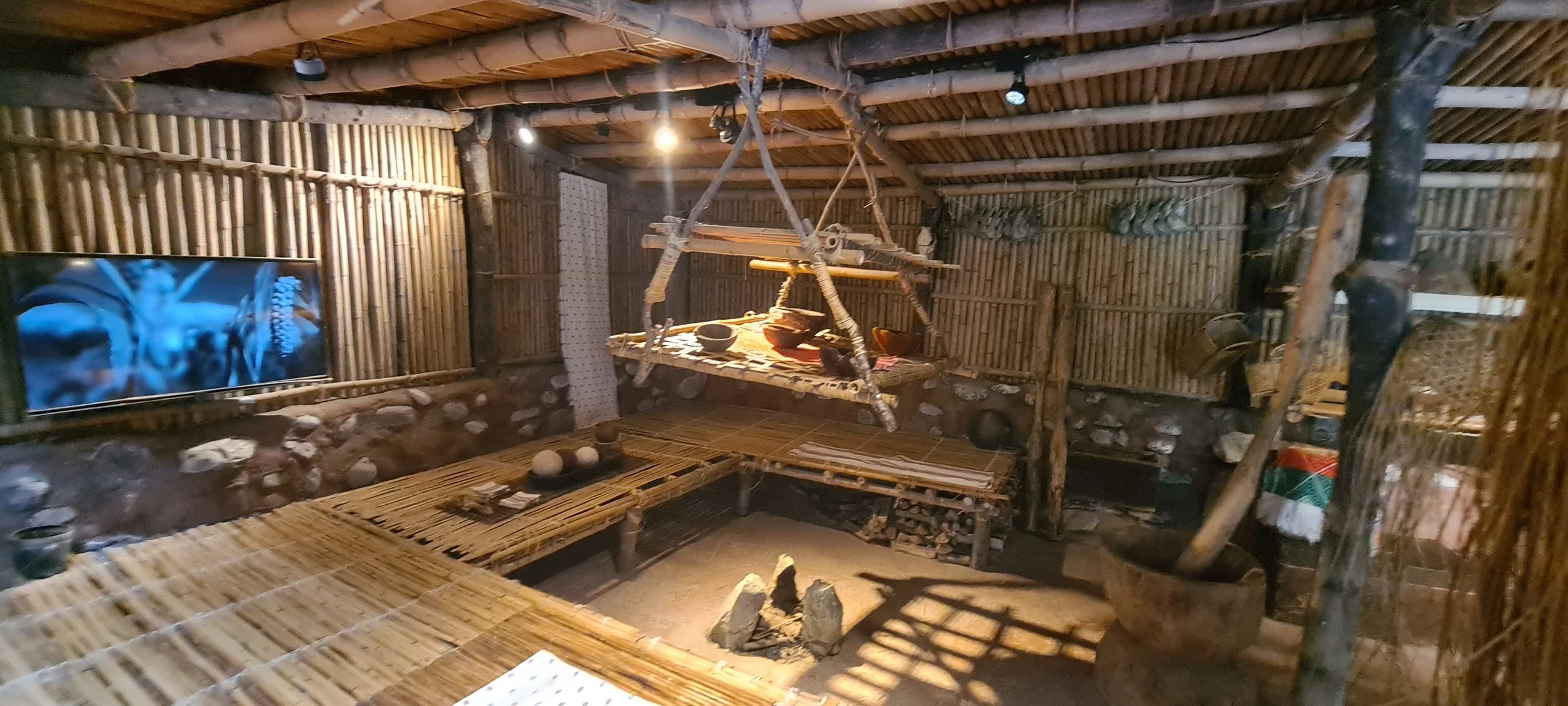
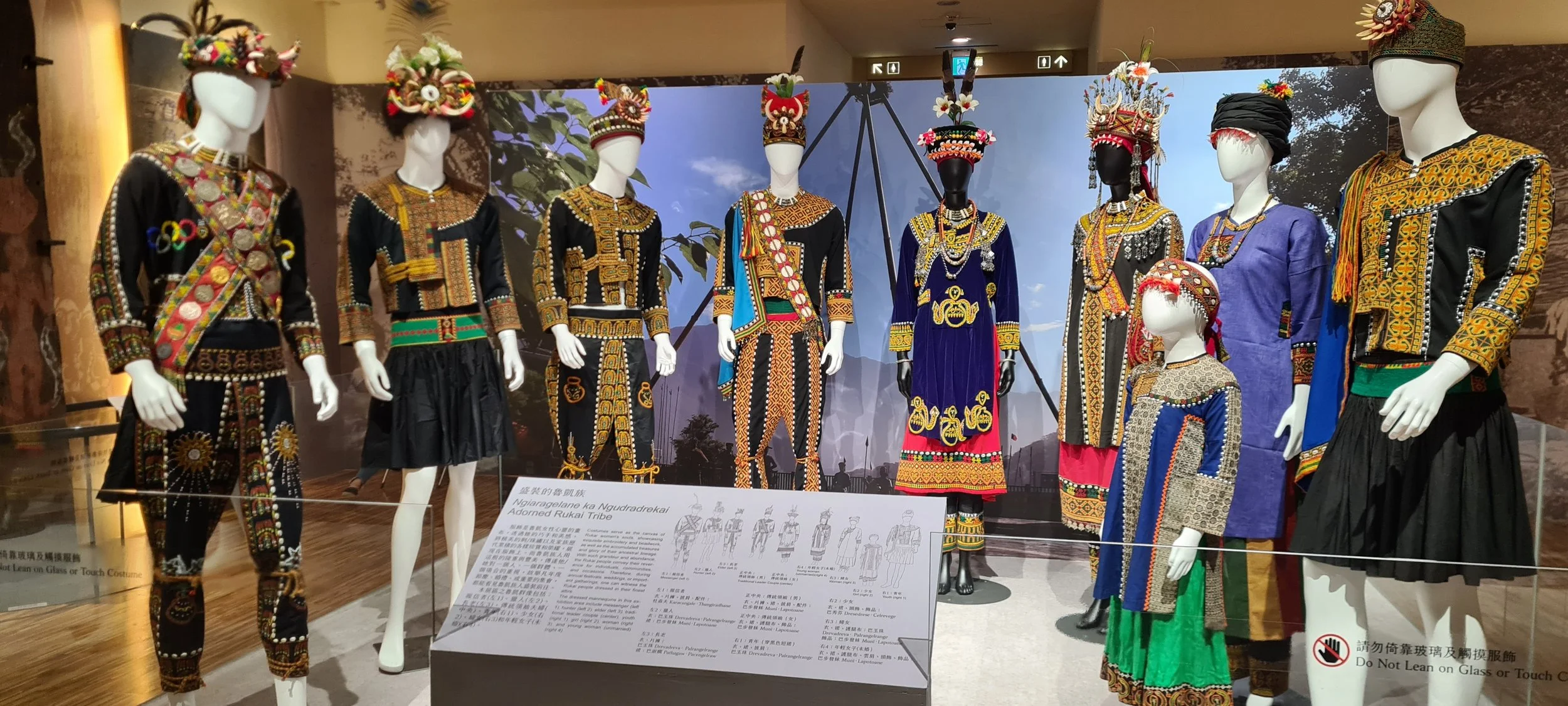
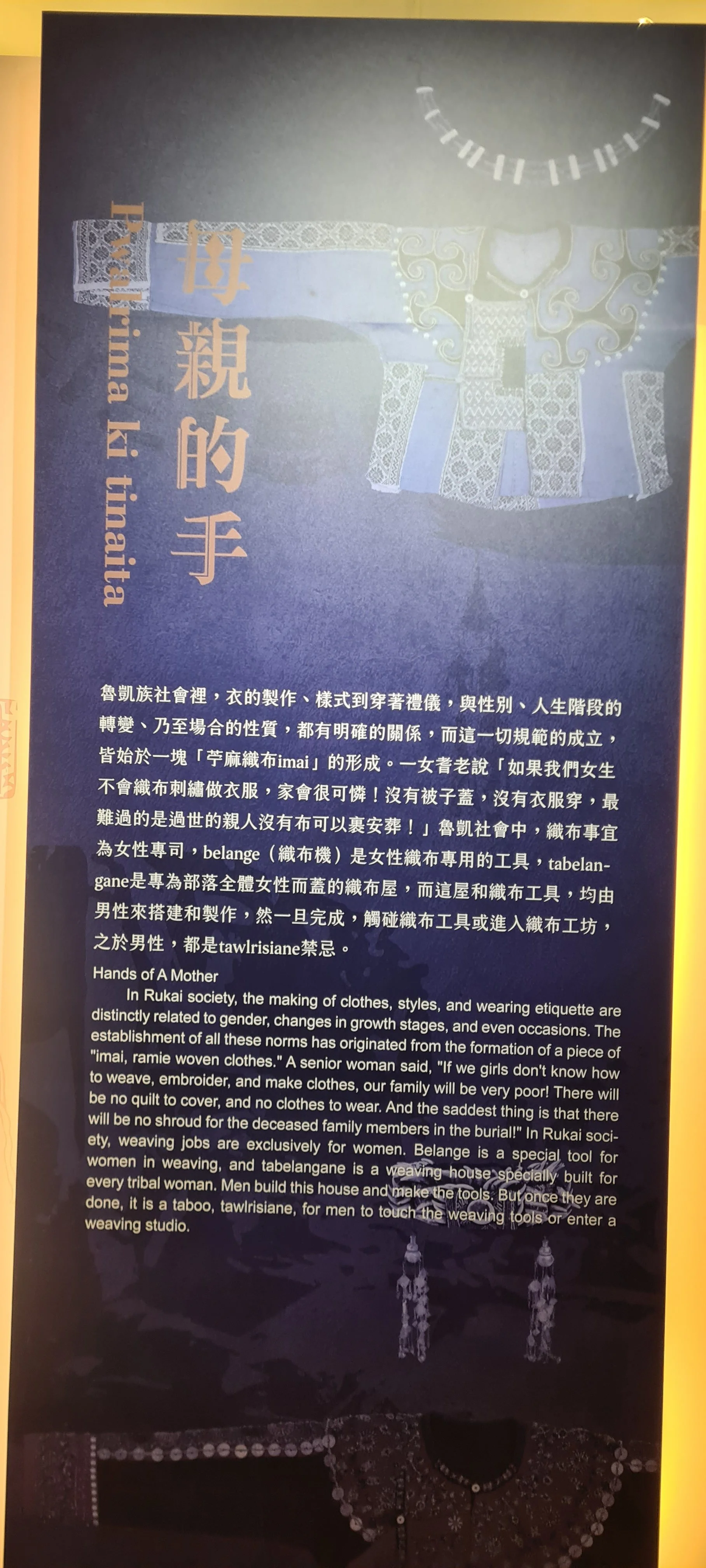
Taiwan is the origin and linguistic homeland of the oceanic Austronesian expansion. Dating back thousands of years before Han Chinese migration. These groups have their own languages, cultures, and distinct social structures, and they belong to the broader Austronesian family, which includes peoples from Southeast Asia, the Pacific Islands, and even Madagascar. Today, there are officially 16 recognized indigenous groups in Taiwan, though some researchers believe there are more unrecognized or assimilated groups.
The indigenous peoples were the sole inhabitants of Taiwan until waves of Han Chinese migration began during the 17th century, which altered the island’s demographic and political landscape. Despite assimilation pressures during periods of Dutch, Qing, and Japanese rule, many indigenous groups have retained their languages and customs.
Taiwan’s indigenous peoples faced marginalization and land loss during the colonial periods, but their rights began to be recognized more broadly after the lifting of martial law in the late 20th century.
Many indigenous groups have rich musical traditions, often involving complex polyphonic singing and dancing, which play an important role in festivals and ceremonies.
Historically, most groups relied on hunting, fishing, and slash-and-burn agriculture for sustenance. Though modernity has changed these practices, they remain integral to many cultural traditions.
Indigenous peoples are known for their intricate beadwork, wood carving, and weaving, each group having its own unique patterns and designs that reflect their cultural identity and mythology.
4. Island Topography and Environmental Themes
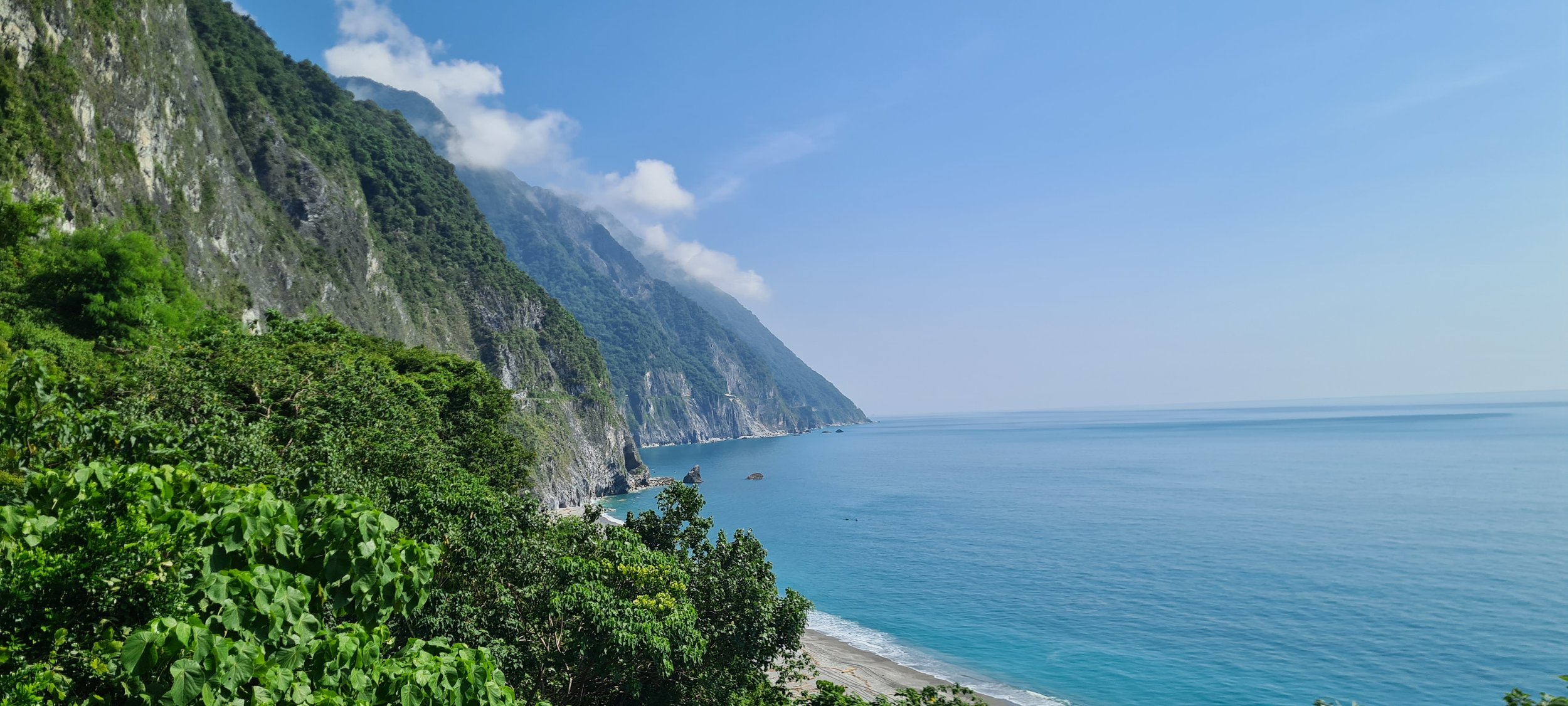
Taiwan’s dramatic geography—from rugged mountain ranges to lush forests and coastline—lends itself well to post-apocalyptic, eco-fantasy, or climate fiction. The island’s vulnerability to natural disasters, such as typhoons and earthquakes, can form the basis for speculative stories about natural disasters, rising sea levels, or even terraforming in a futuristic context.
In a speculative future, Taiwan could become a sanctuary for environmentalists in a world ravaged by climate change, or the island could be the last safe haven on Earth, where humans and other creatures must coexist in a fragile ecosystem, guarded by mystical forces or advanced technology designed to protect it.
The island’s lush landscapes can also serve as an idyllic or hostile fantasy setting, where magical creatures, ancient forests, and hidden treasures await discovery. It could be a world where humans and nature are bound together through ancient pacts or where ecological collapse threatens to awaken slumbering gods or mythical beasts.
5. Cultural Hybridization and Multicultural Futures
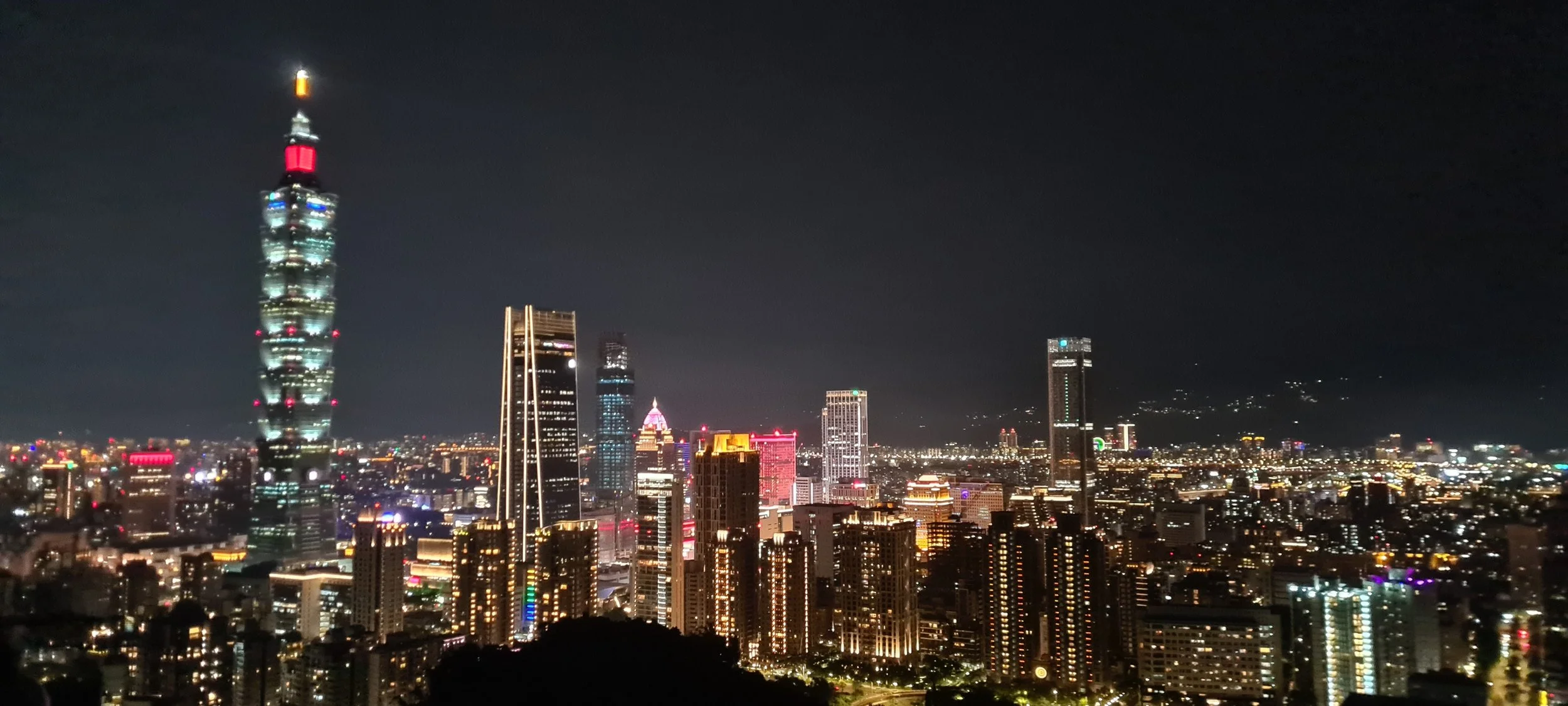
Taiwan is a cultural crossroads, with influences from China, Japan, and Southeast Asia all blending into a unique identity. This rich multiculturalism is perfect for speculative fiction dealing with hybrid societies, where different races or cultures merge and adapt to changing environments.
In a futuristic or fantasy world, Taiwan’s position as a melting pot could be expanded to represent a place where alien cultures, hybrid species, or post-human beings come together. Imagine a Taiwan where humans, robots, and extraterrestrial beings cohabit, leading to complex stories about identity, culture, and the politics of belonging.
Taiwan’s cultural adaptability can serve as a metaphor for colonization, occupation, and identity politics, where characters must navigate conflicting loyalties between their ancient traditions and the demands of futuristic societies or fantasy realms.
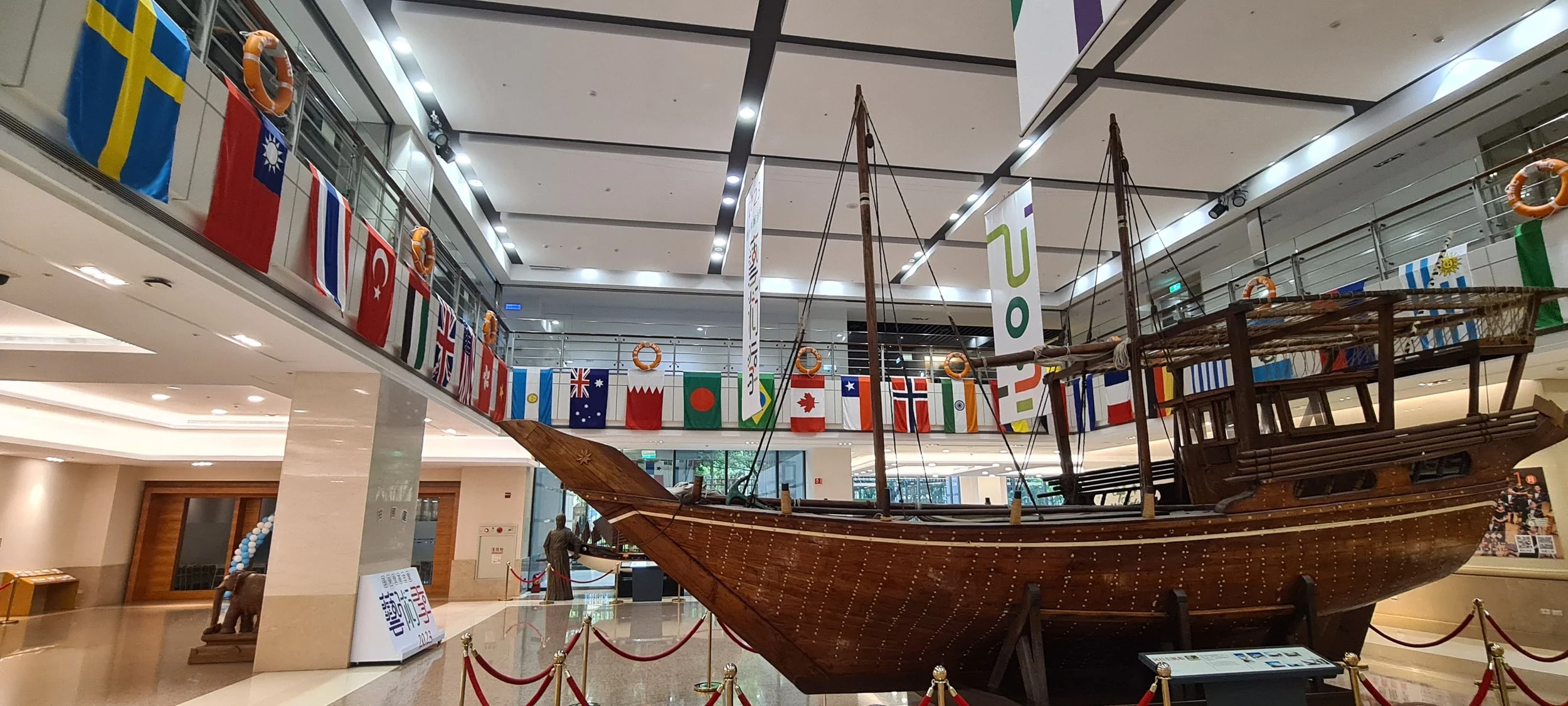
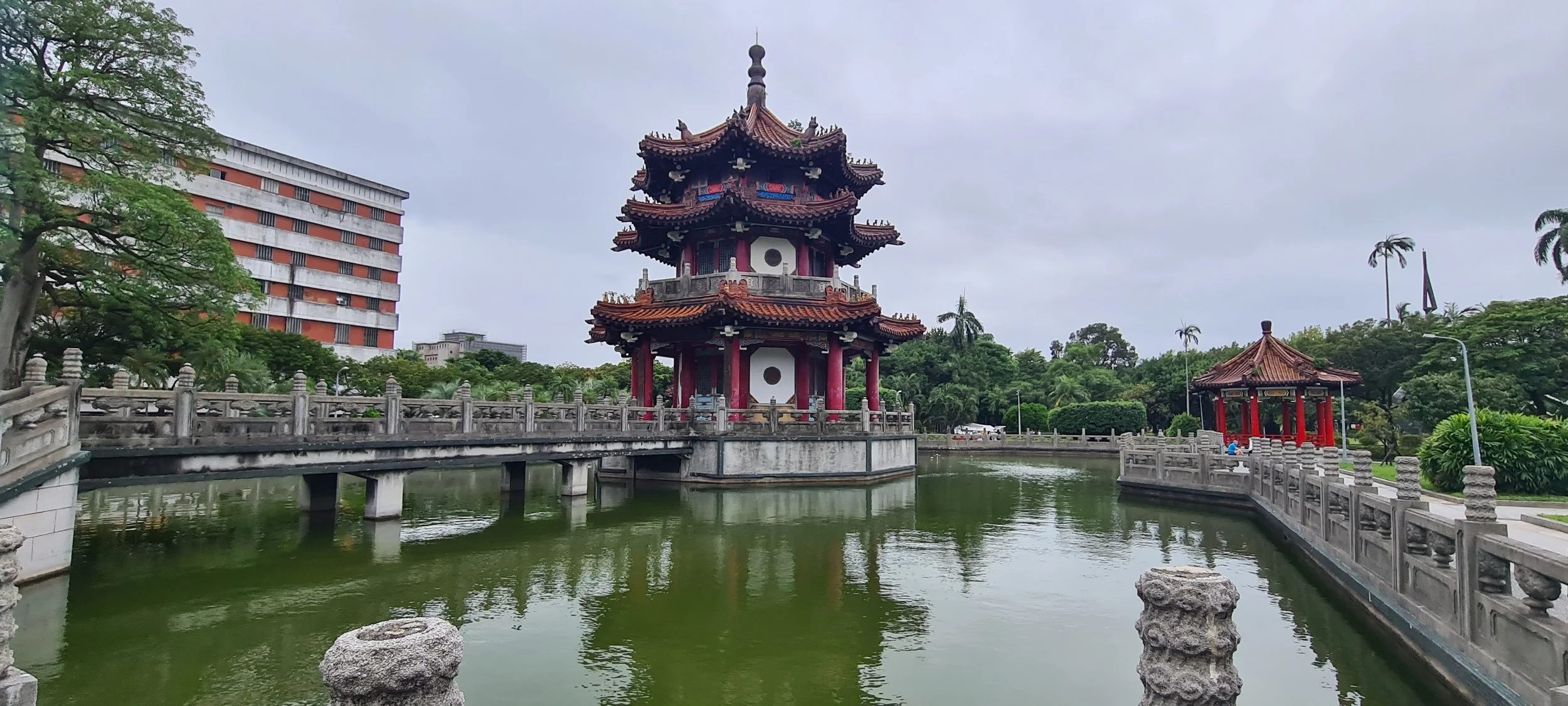
The old…
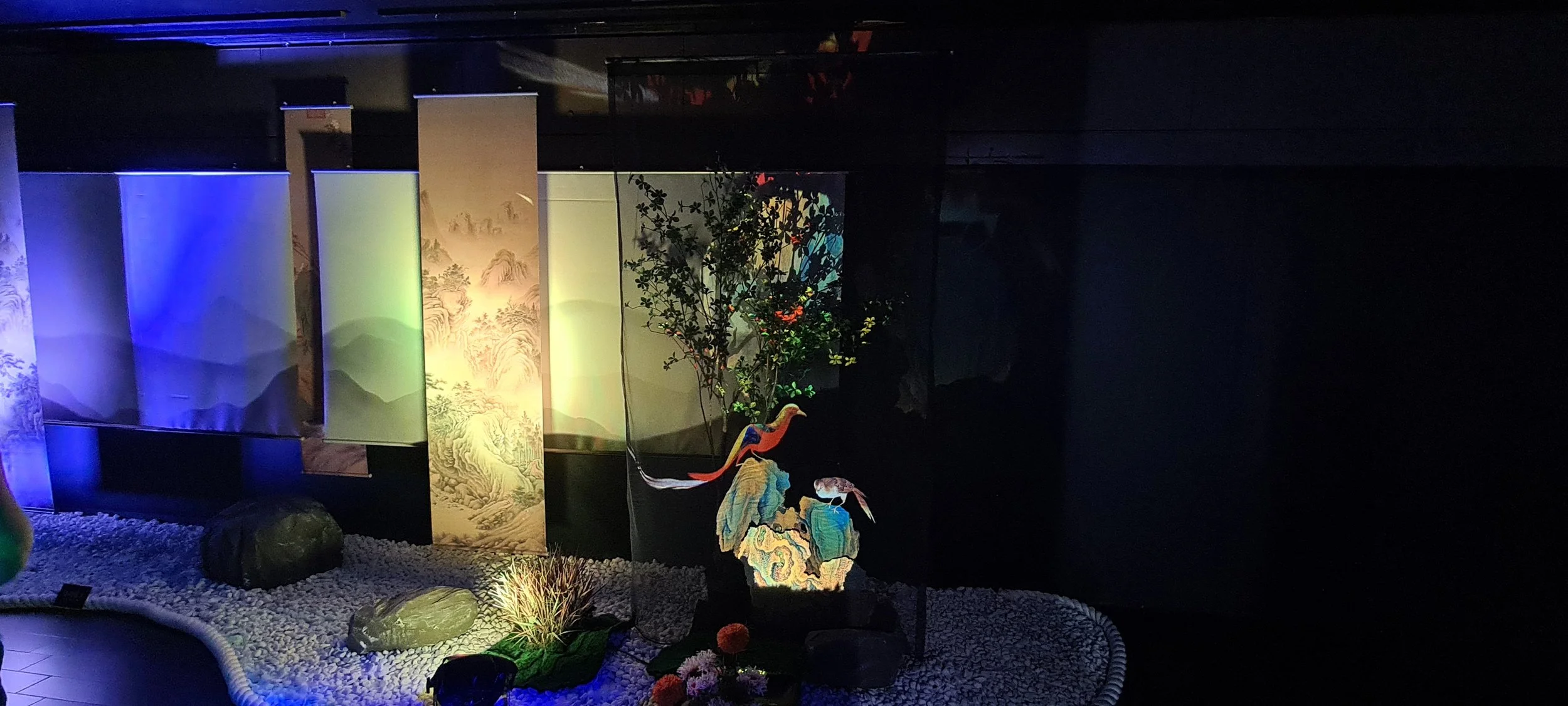
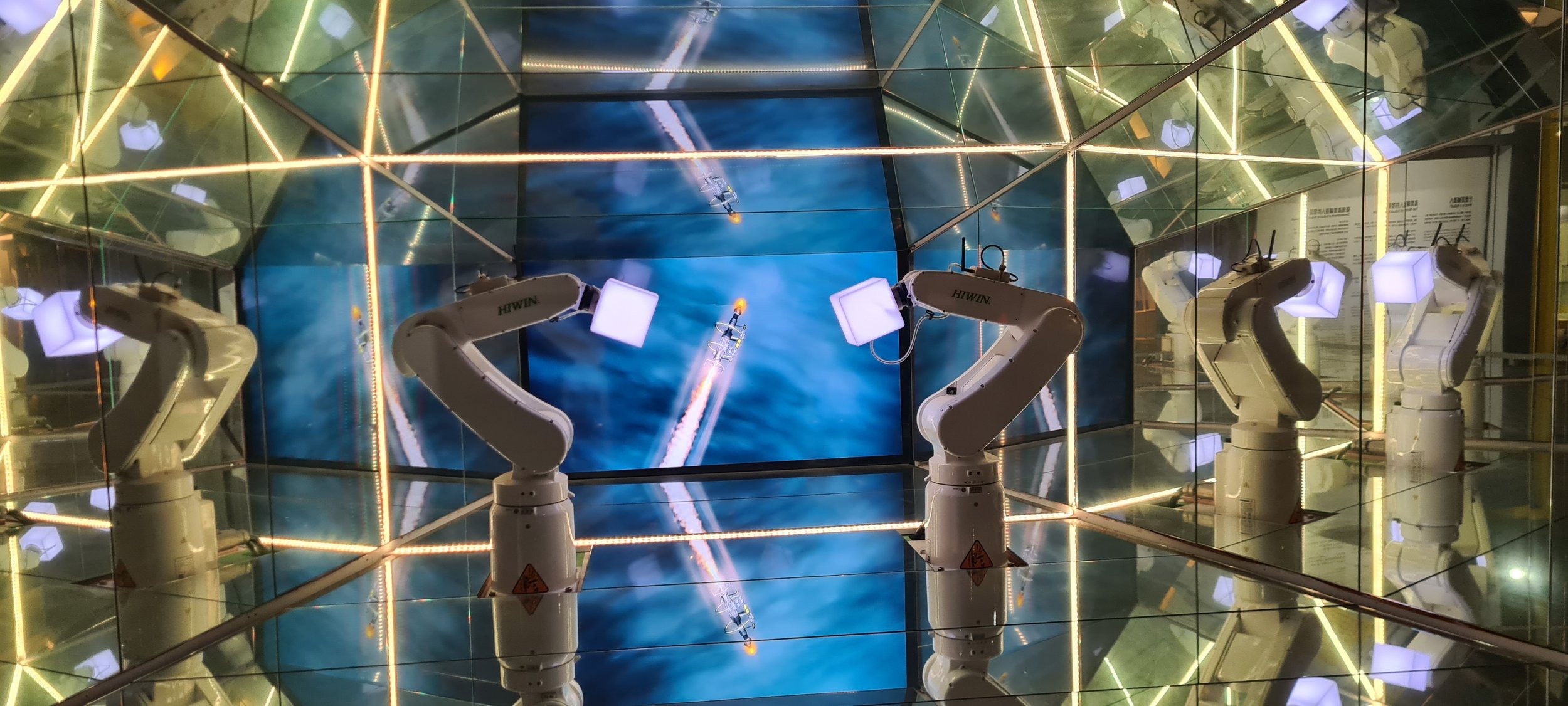
The new…

6. Alternate Histories and Time Travel
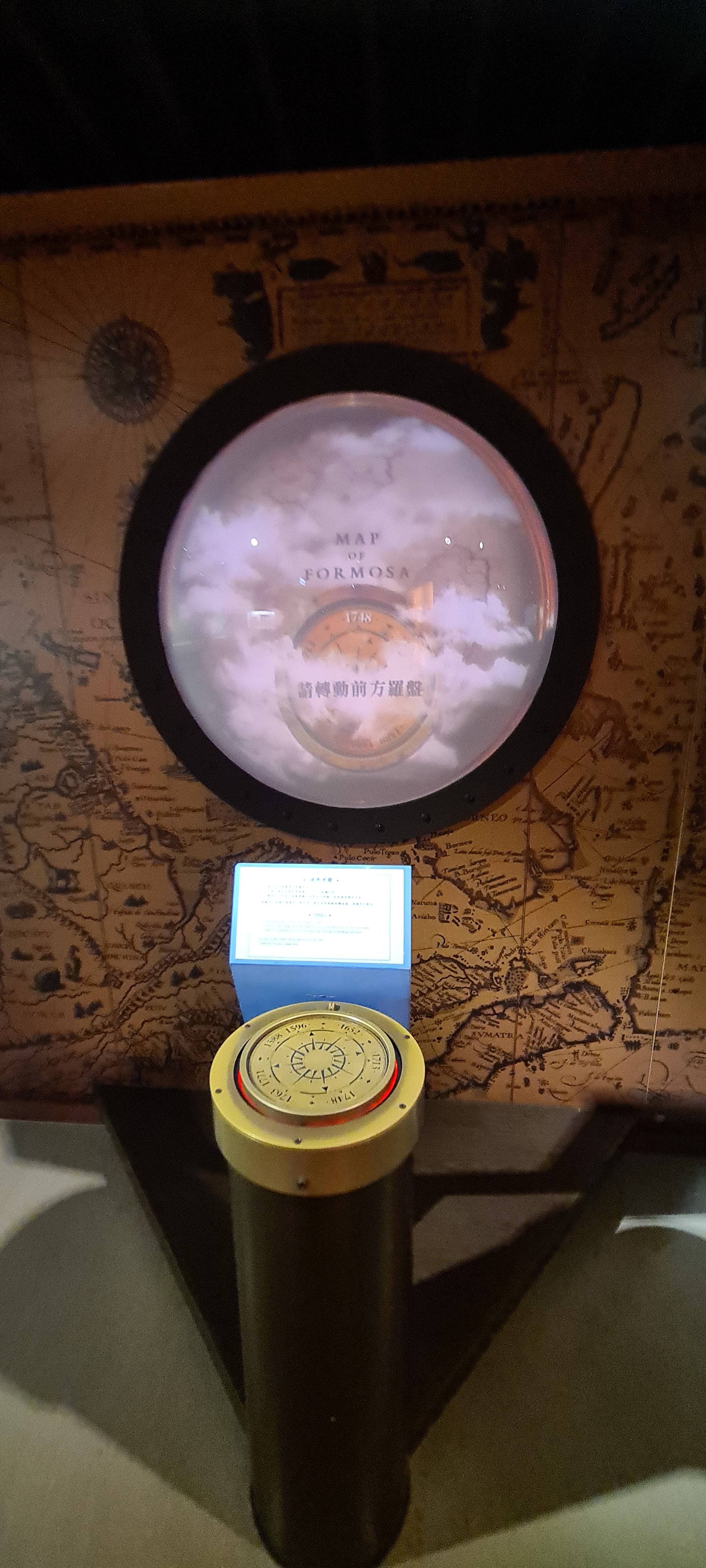
Taiwan’s complex historical path, particularly its colonial past under the Dutch, the Qing Dynasty, Japanese rule, and the ROC, offers a rich timeline for alternate history or time travel stories. Writers can speculate on what ifs, such as what if Taiwan had gained full independence after World War II, or what if the Japanese Empire never left the island?
Stories could involve characters traveling between different versions of Taiwan’s history, encountering different realities where the island’s fate is altered by small changes in key historical moments. A multiverse of possible Taiwans could exist—one where it’s a powerful empire, another where it’s a futuristic democratic utopia, and yet another where it's a dystopian society under perpetual conflict.
7. Space Exploration and Diasporas
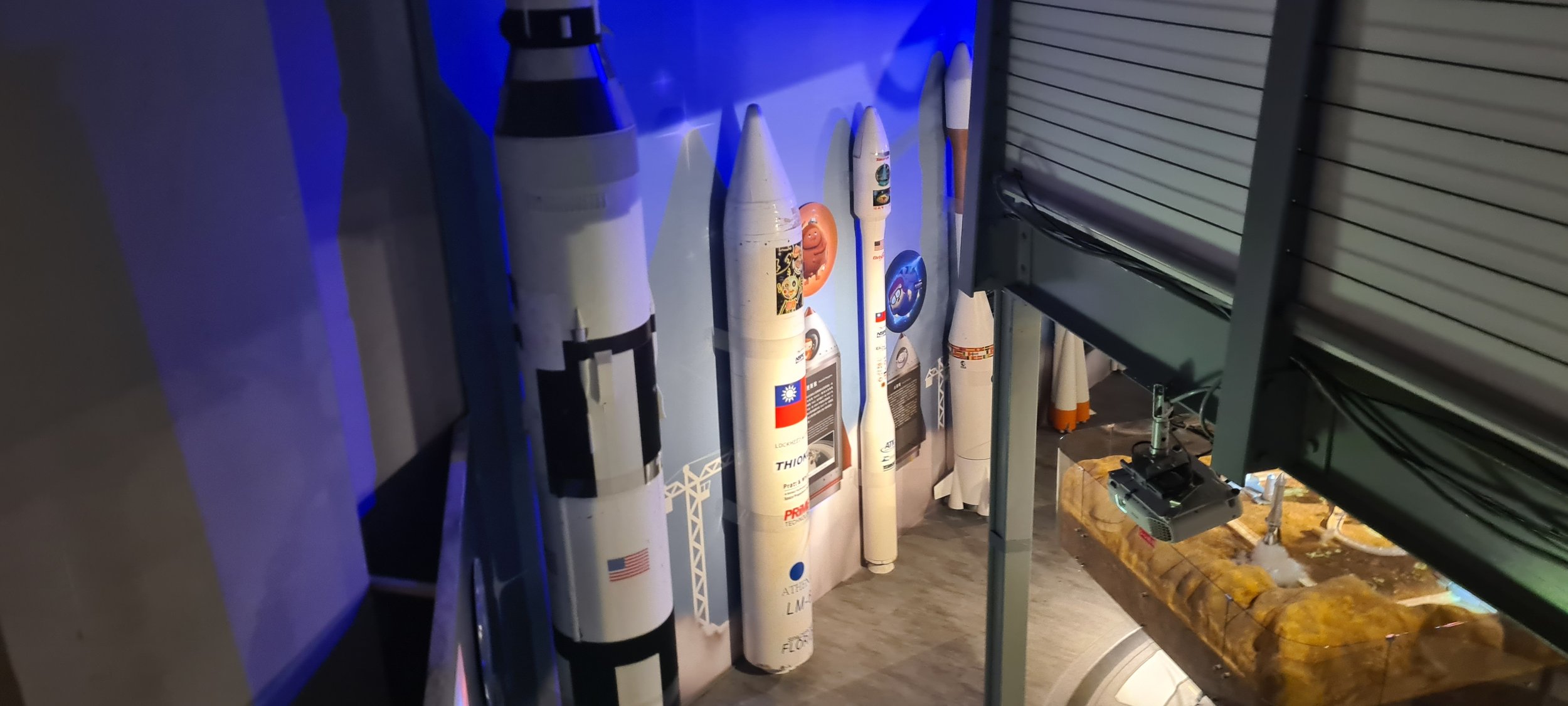
Taiwan’s history of emigration and its global diaspora could inspire stories of space colonization. What if Taiwanese settlers were among the first to establish colonies on distant planets? Themes of migration, cultural preservation, and identity in the face of technological advancement or hostile alien environments would resonate deeply, especially in a science fiction narrative.
Alternatively, we could have a Taiwanese space colony, serving as a neutral ground in intergalactic conflicts. Its people might hold the key to peace between warring space-faring nations, or its location may make it strategically important in a cosmic chess game.
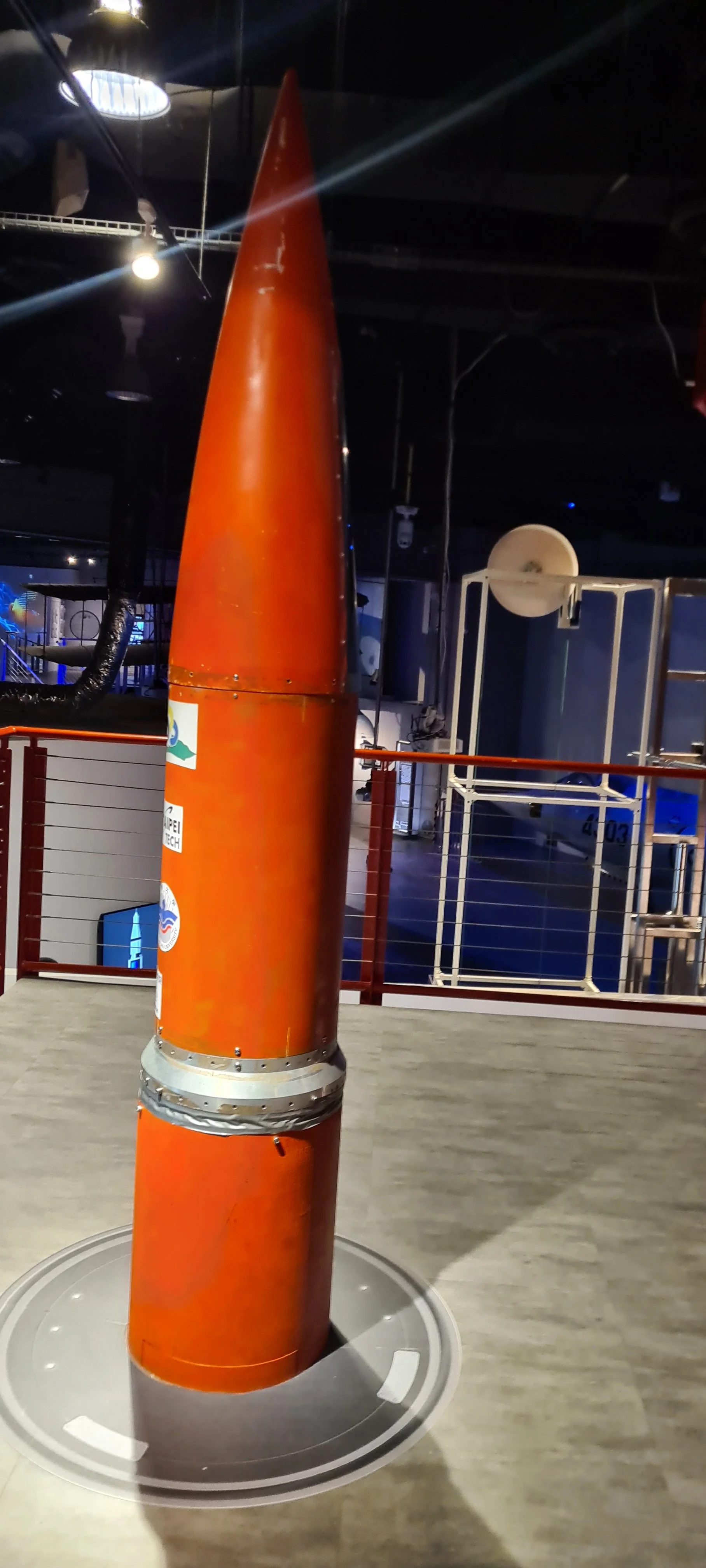
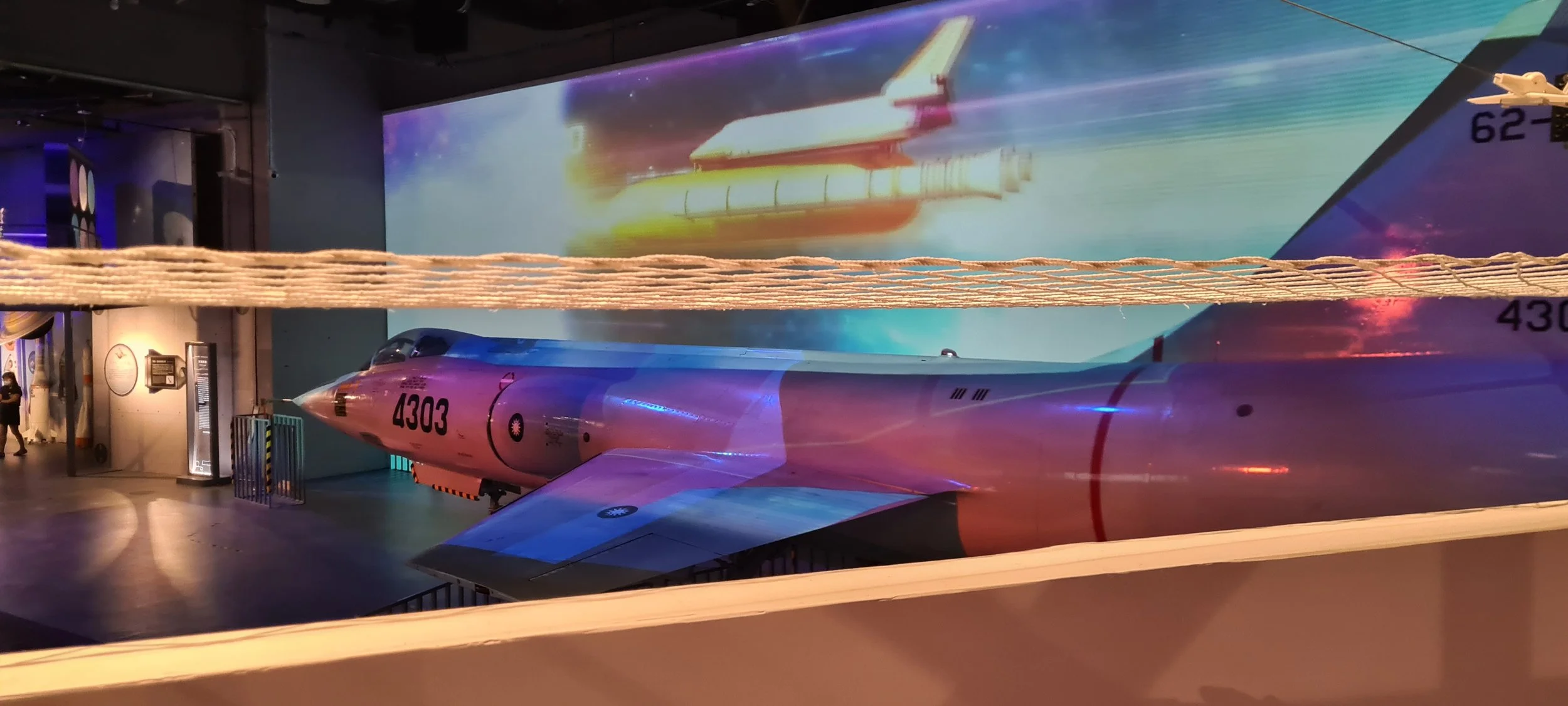
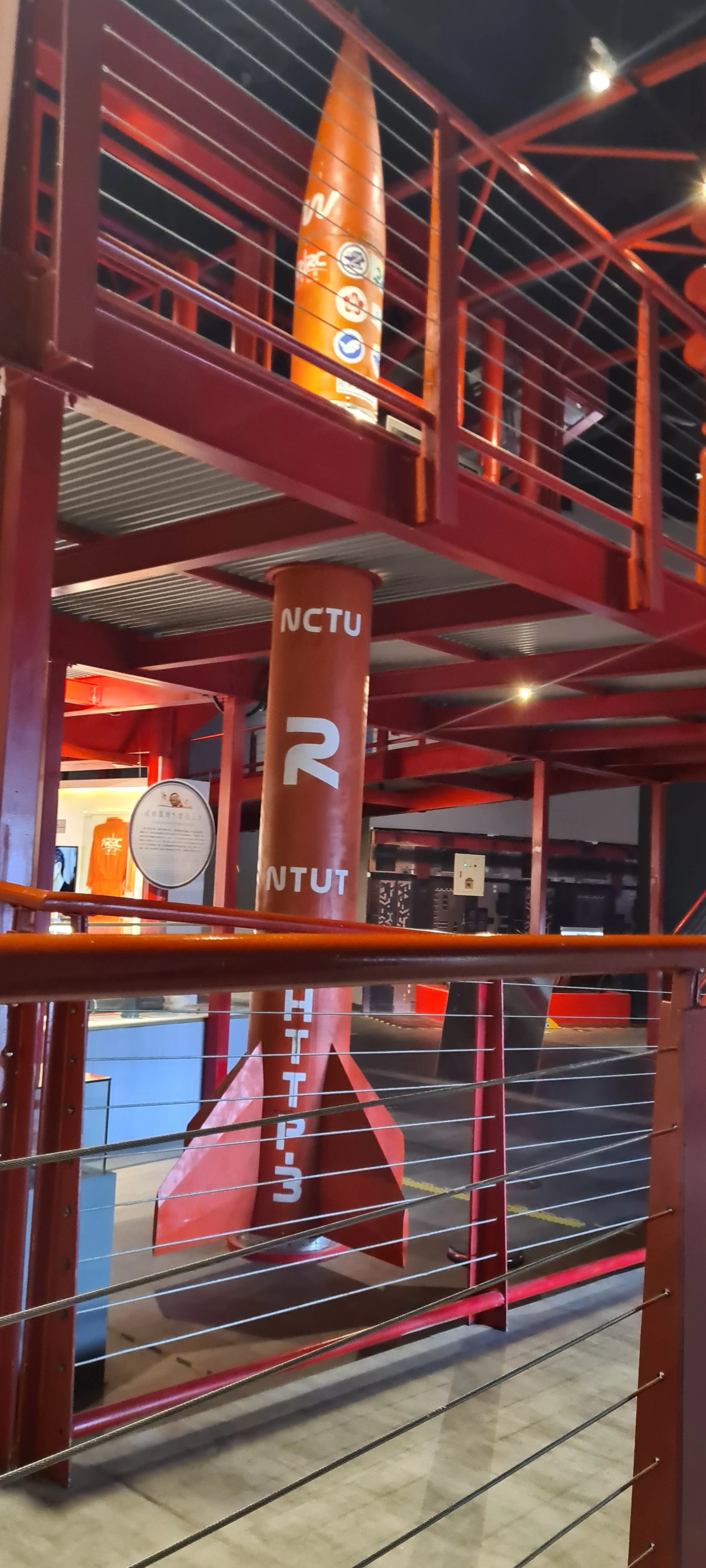
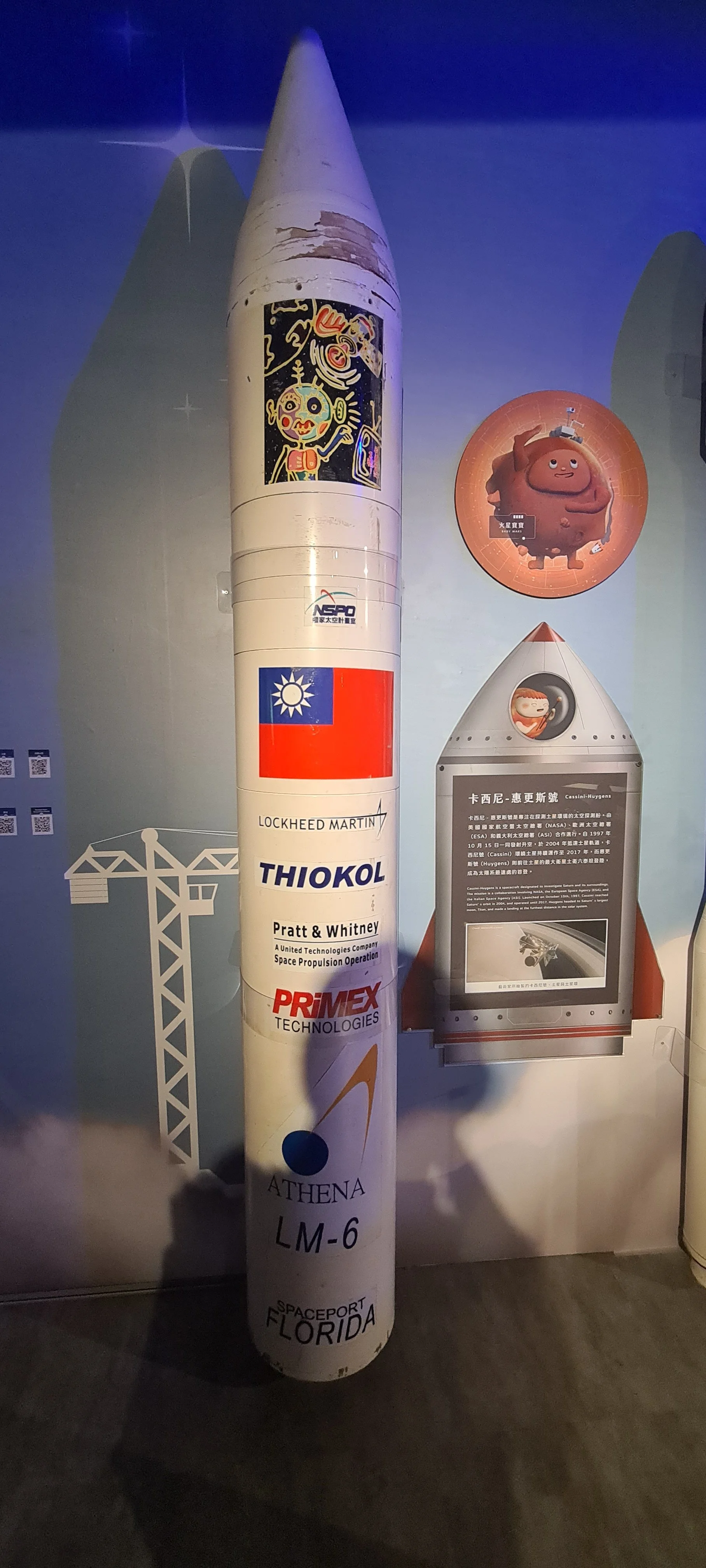
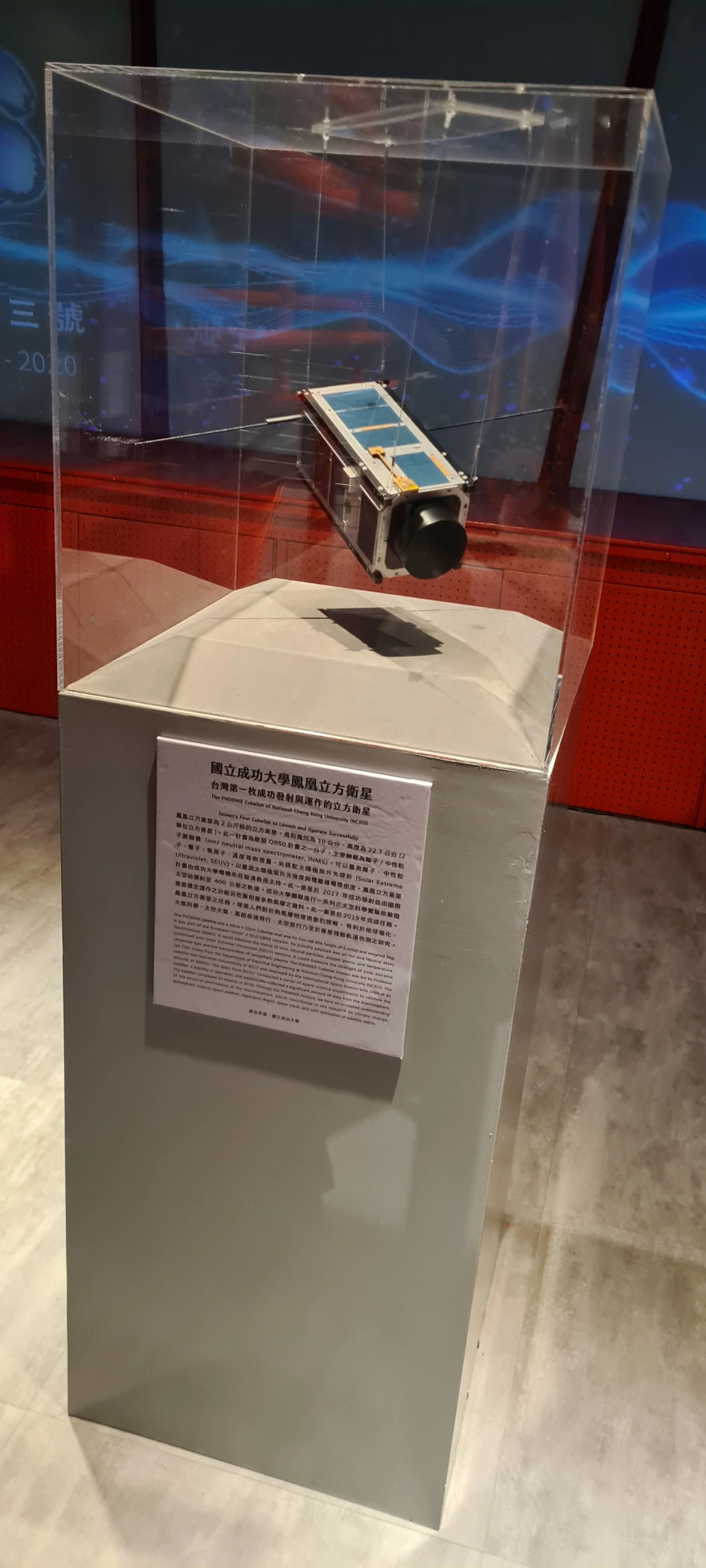
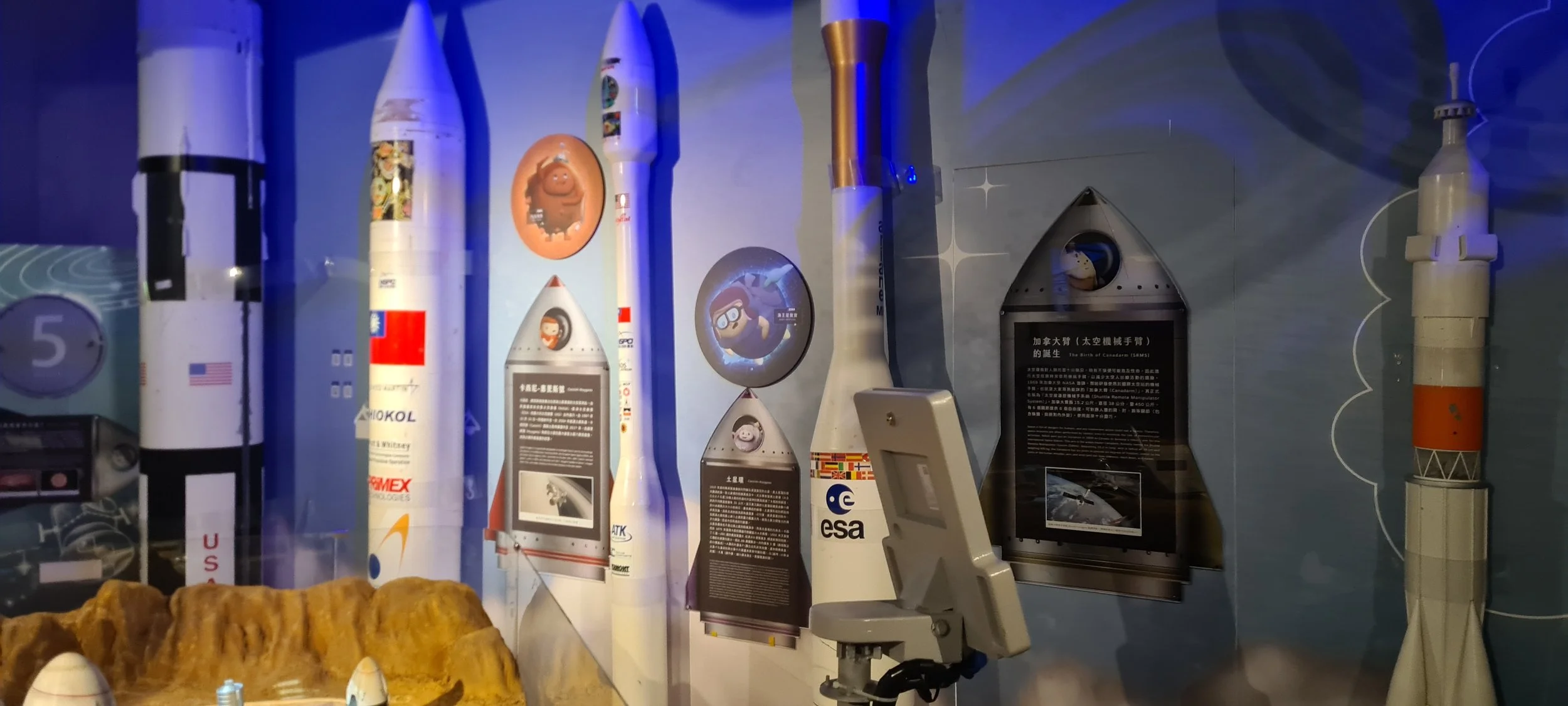
Does Taiwan have a place in space? Probably. Hopefully. While China dominates much of the current discourse about space exploration, Taiwan has its own unique strengths that could make it a compelling subject in a speculative space world. Whether as a technological hub, cultural centre, or political mediator, Taiwan’s history and capabilities can inspire rich and diverse narratives that challenge existing assumptions about dominance in space. In the realm of speculative fiction, the sky isn’t the limit for Taiwan. It can go much farther. What do you think?
8. Surveillance, Espionage, and Global Influence
Taiwan’s strategic importance in global geopolitics, its proximity to China, and its alliances with the U.S. and Japan make it a natural setting for techno-thrillers and espionage-driven sci-fi. Writers could explore a surveillance state where Taiwan is the battleground for intelligence warfare between superpowers, with high-tech drones, hackers, and quantum computing shaping the future of conflict.
In a cyberpunk dystopia, Taiwan could become a hub of spies, rogue AI, and corporate espionage, where global powers vie for control over advanced technologies developed on the island. Themes of surveillance, personal freedom, and cybernetic control can parallel real-world concerns about privacy and autonomy.
9. Martial Arts Fantasy and Wuxia
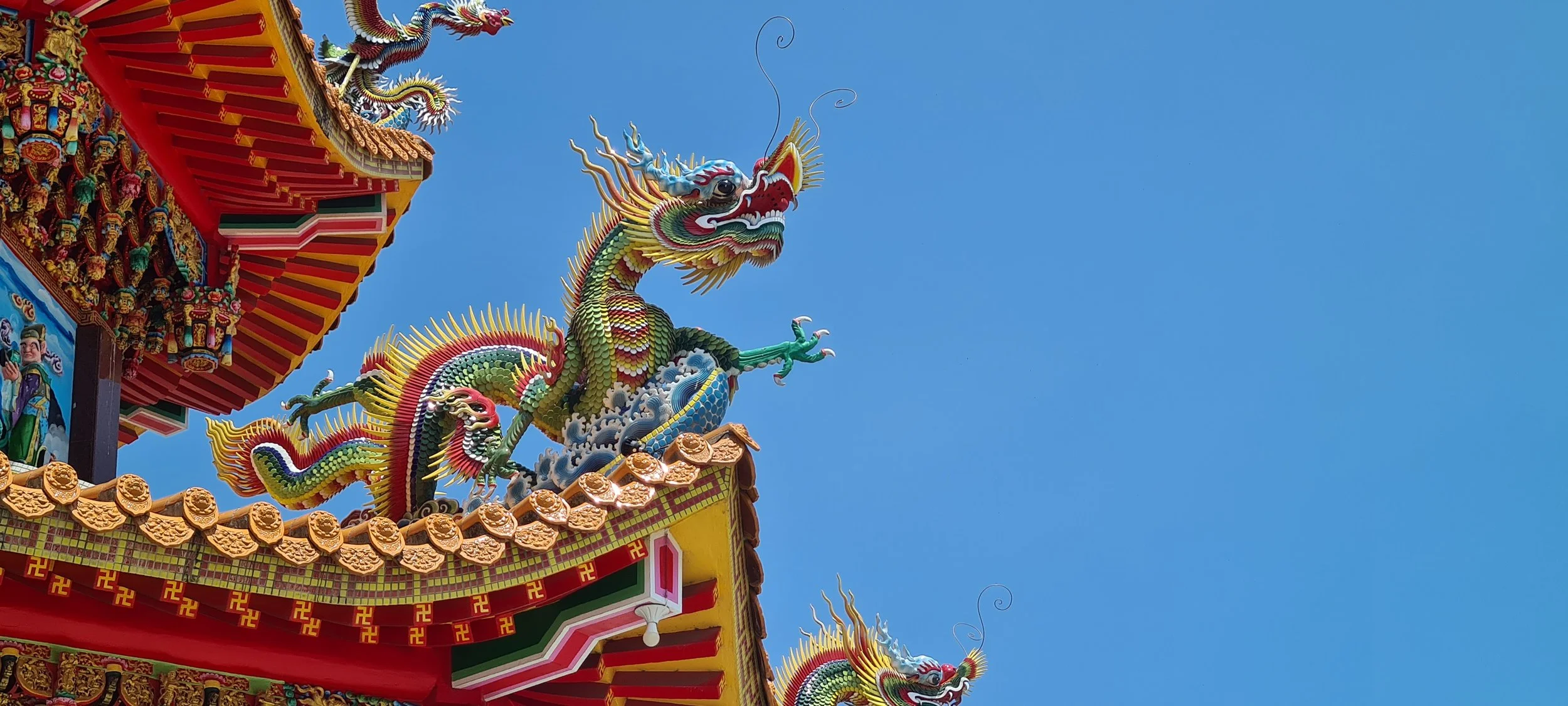
Taiwan is home to a rich tradition of Chinese martial arts, and its cinematic output includes classic wuxia (martial heroes) films. Writers could expand this tradition into speculative worlds, combining elements of martial arts fantasy with futuristic or supernatural elements.
Imagine a Taiwan where warrior monks protect ancient scrolls of knowledge or mystical energy weapons, where swordplay and futuristic tech are combined in a setting that spans both ancient traditions and the far future.
So that’s another blog for you all. Did you enjoy reading it? Is there more you would like to see? If you have any feedback or want to get in touch, you can do so at authorjamesbyrne@gmail.com.
See you next time!
